A European Sketchbook: Part 2
Near the end of my September-October 2025 trip, I visited Florence for the first time.
Near the end of my September-October 2025 trip, I visited Florence for the first time. Something about the city clicked with me right away. Il Conventino, a coffee shop and art space down the street from the bed and breakfast, quickly became a preferred place to sit and people-watch. In fact, the whole neighborhood around Piazza Santo Spirito felt comfortable, even homey — gardens, antique stores, students, restaurants…
On the other, busier side of town, there are many attractions to see and crowds waiting to see them. The Galleria dell’Accademia particularly stands out in my memory, but not because of Michelangelo’s David. To be clear, that’s not meant as an provocative statement disregarding the incredible works there — seeing his figures emerge from the marble is breathtaking.
But hidden away in the less traveled upstairs rooms containing other religious art, a particular gallery tag caught my eye and kept coming to mind in these weeks following my trip. It read as follows:
Saint Yves administering Justice
Tempera on wood panel, 1405-1410The panel depicts Saint Yves of Brittany as he administers justice to the poor, the orphans, and the widows. The saint gives all his attention to the poor, ignoring the flattery of the rich. Canonized in 1366, Saint Yves is portrayed in jurists’ robes, which recalls his activity as an ecclesiastic judge and his commitments to protecting the rights of the weakest.
This work was executed by a mediocre painter active in the late 1300s, who was influenced by Agnolo Gaddi and Lorenzo Monaco, and who takes his conventional name from the panel on display here.
Surely historians had their reasons for labeling this painter mediocre, but it stuns me nonetheless. A work from 600 years ago, immortalized mere steps away from perhaps the most famous sculpture in history, remembered as a work of mediocre hands. Looking back and forth from the painting to the tag, I admit I do not have a trained eye to detect the mediocrity myself. I wonder what the painter would think of this evaluation.
Later, back at Il Conventino for yet another espresso, I found myself thinking about that hierarchy. If my eye could be trained to make something even a tenth of that “mediocre” panel, I would consider myself fortunate. For now I’m not too worried what others think of my work — just trying to use each experience as an opportunity to improve and challenge myself.
To that end, I wanted to take the opportunity to walk through the sketches and paintings that I’ve made after returning from Europe. Perhaps it would be interesting, or at the very least useful for myself, to write a few words explaining my favorites. Rather than going chronologically, I’m distilling these down into the main subjects I’ve been focusing on so far.
Group 1: Tuscan Fields
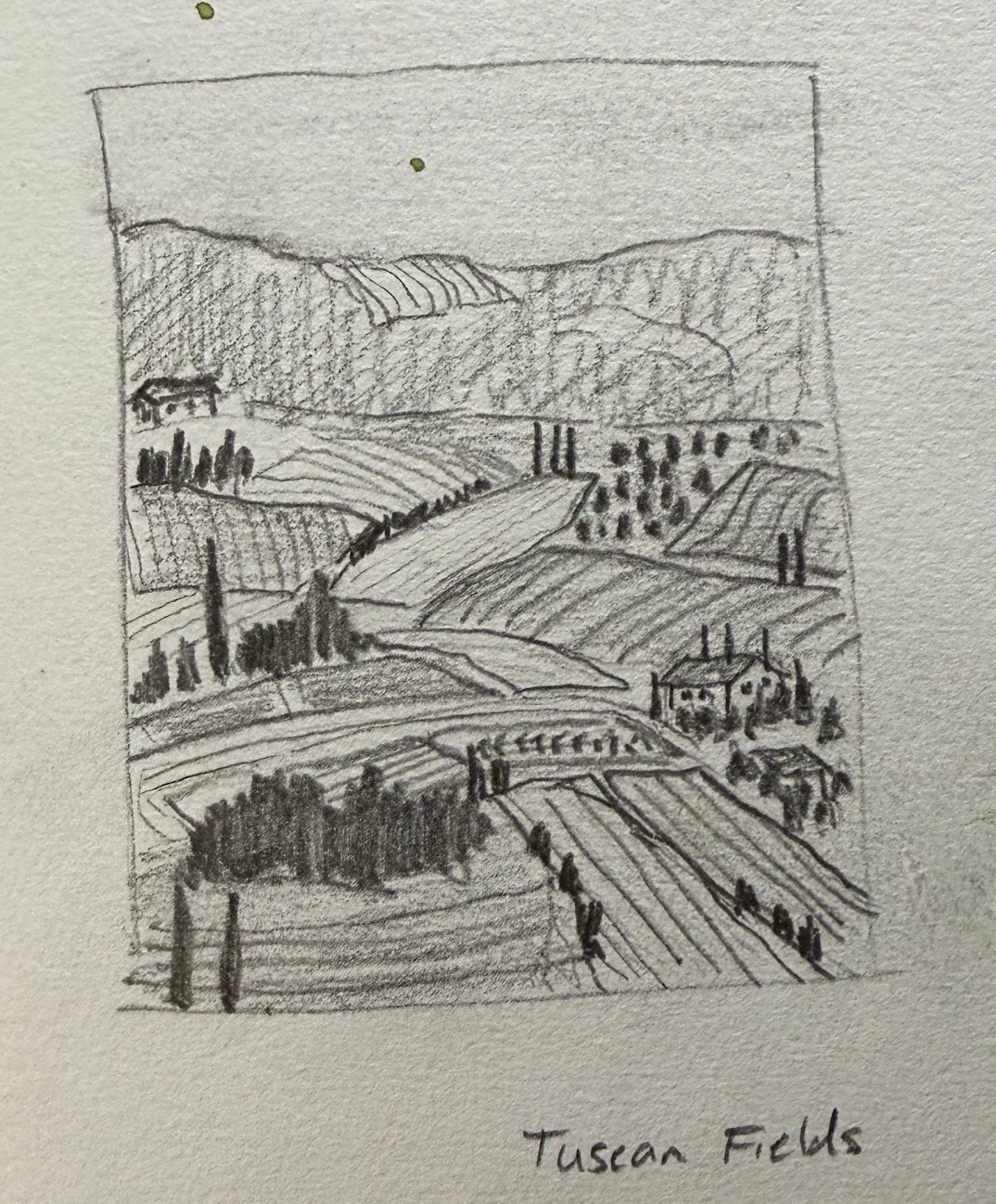
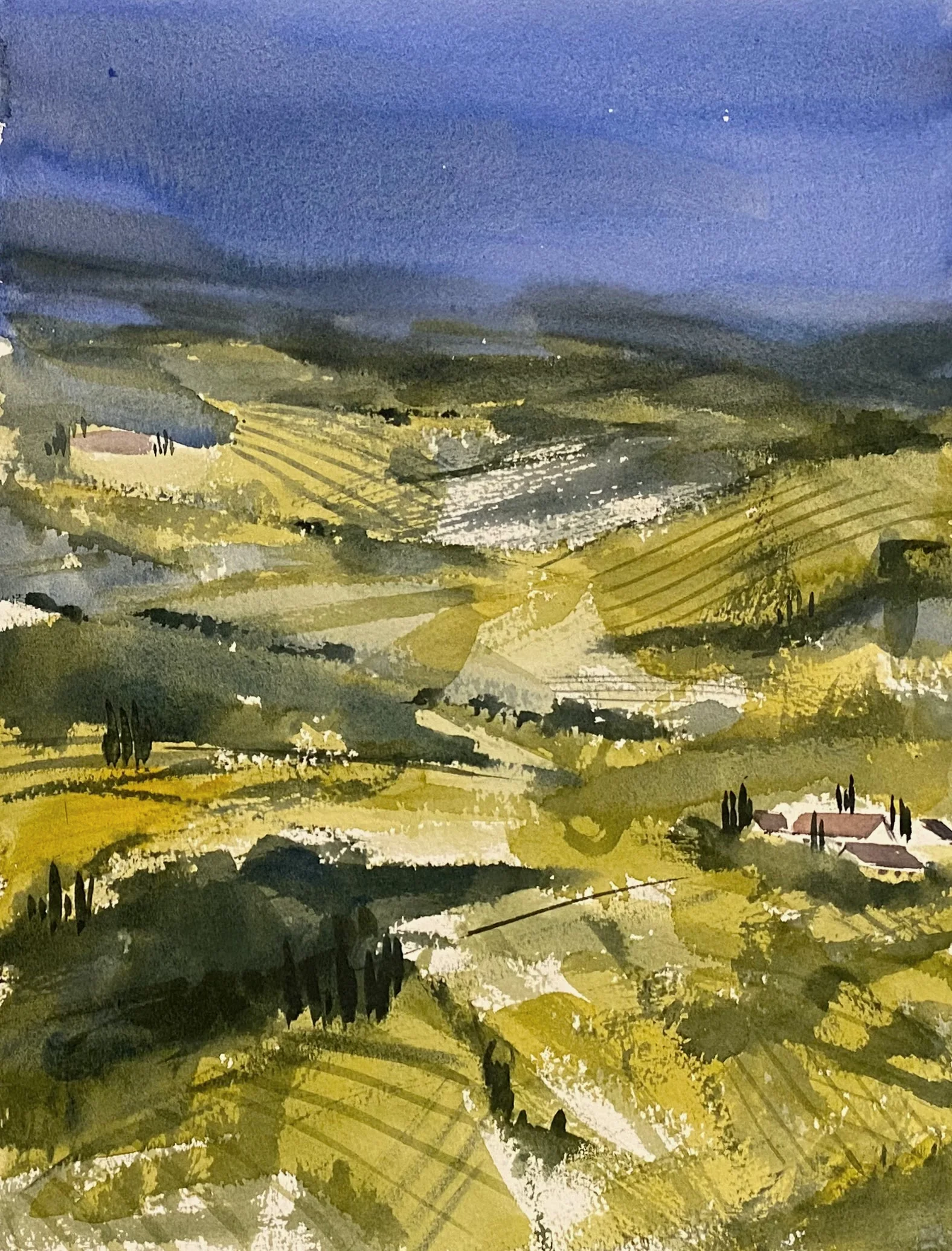
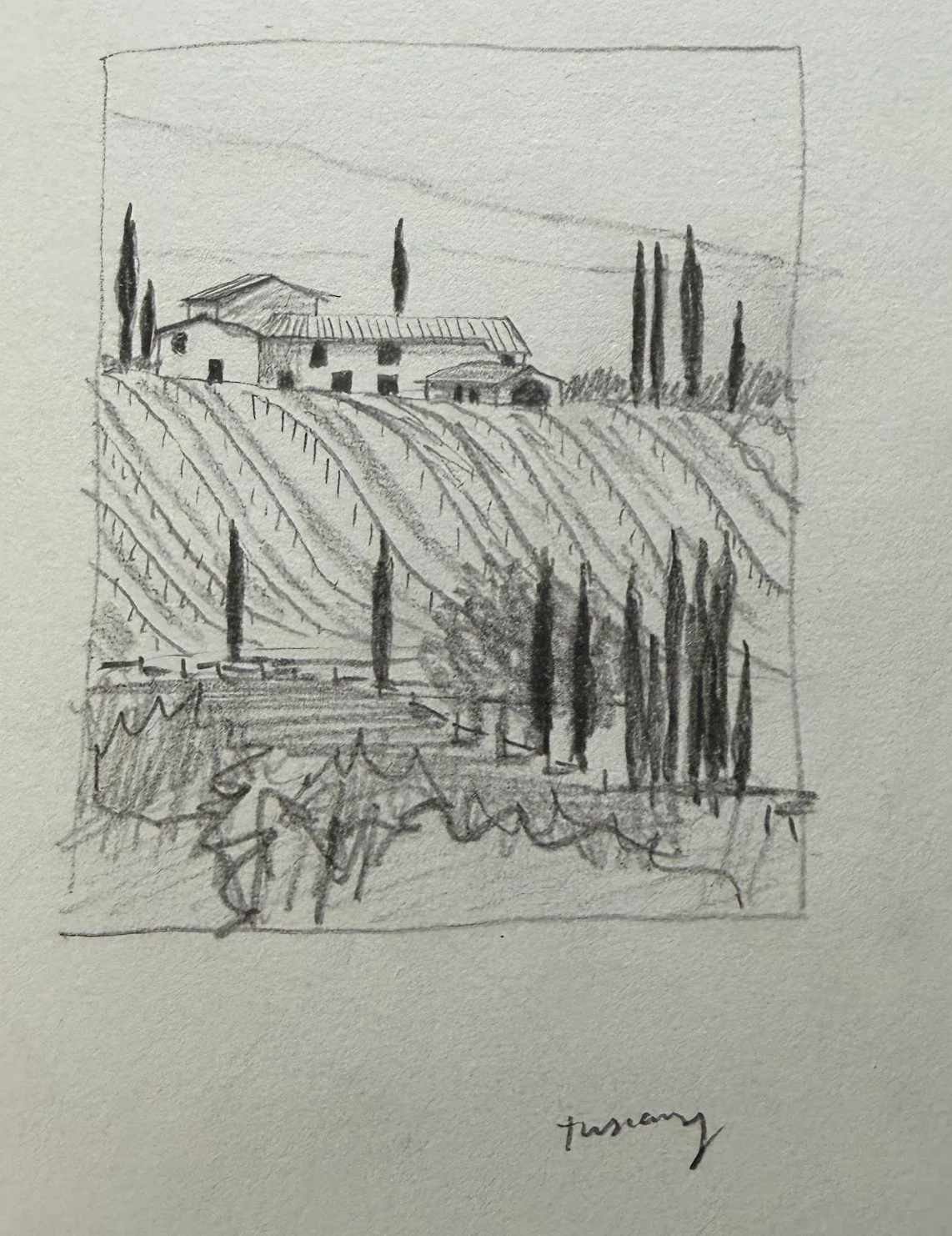
I was captivated by the Tuscan landscape elements: rolling fields, vivid yellow-greens, cypress and pine trees, olive groves, etc. My first few paintings in this group were all too tight until the image pictured above — I feel this finally gives the proper impression and depth without drifting into overbearing detail. I’m trying to figure out how to make a good painting of the second scene.
Group 2: Distant Lights
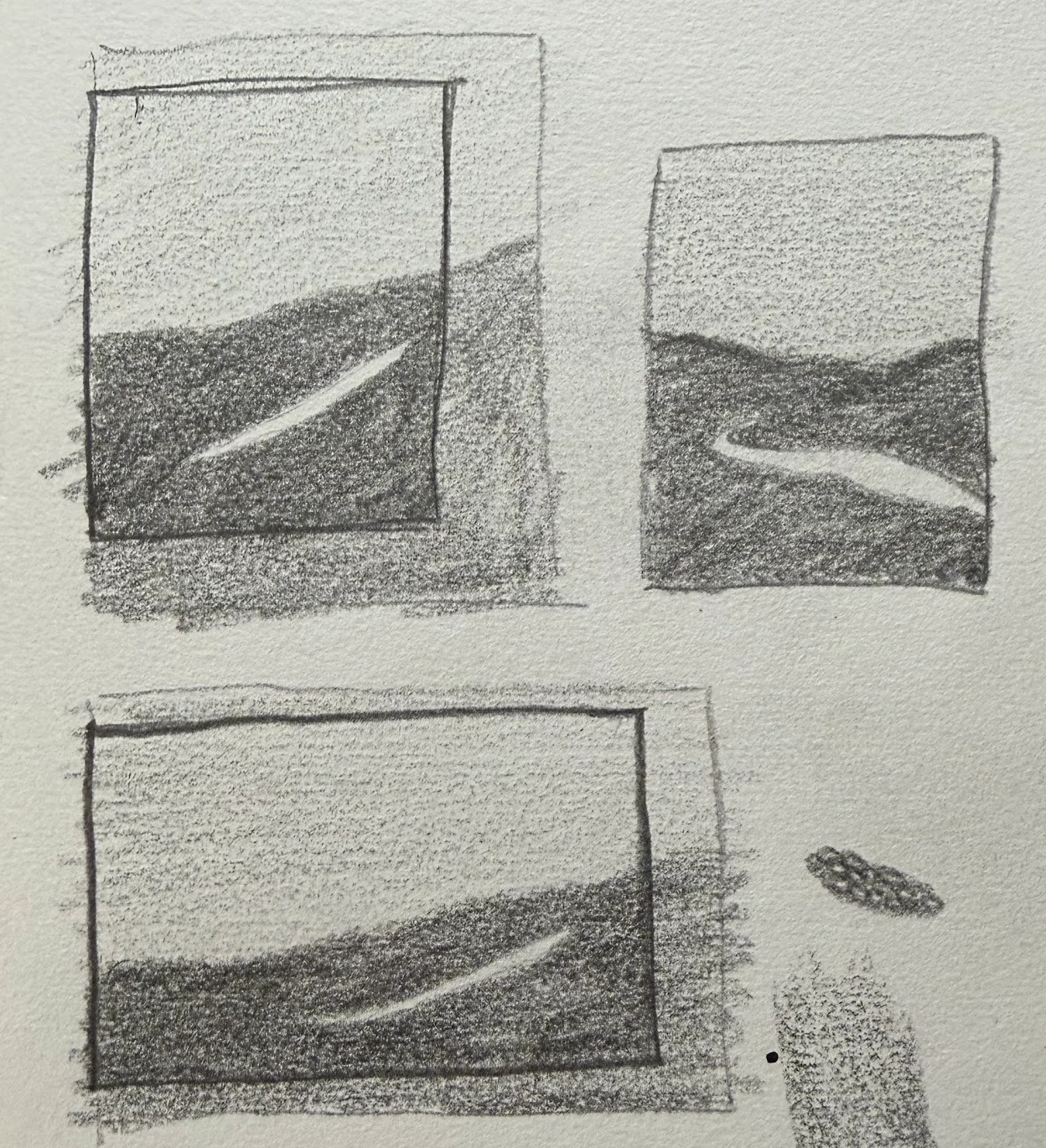
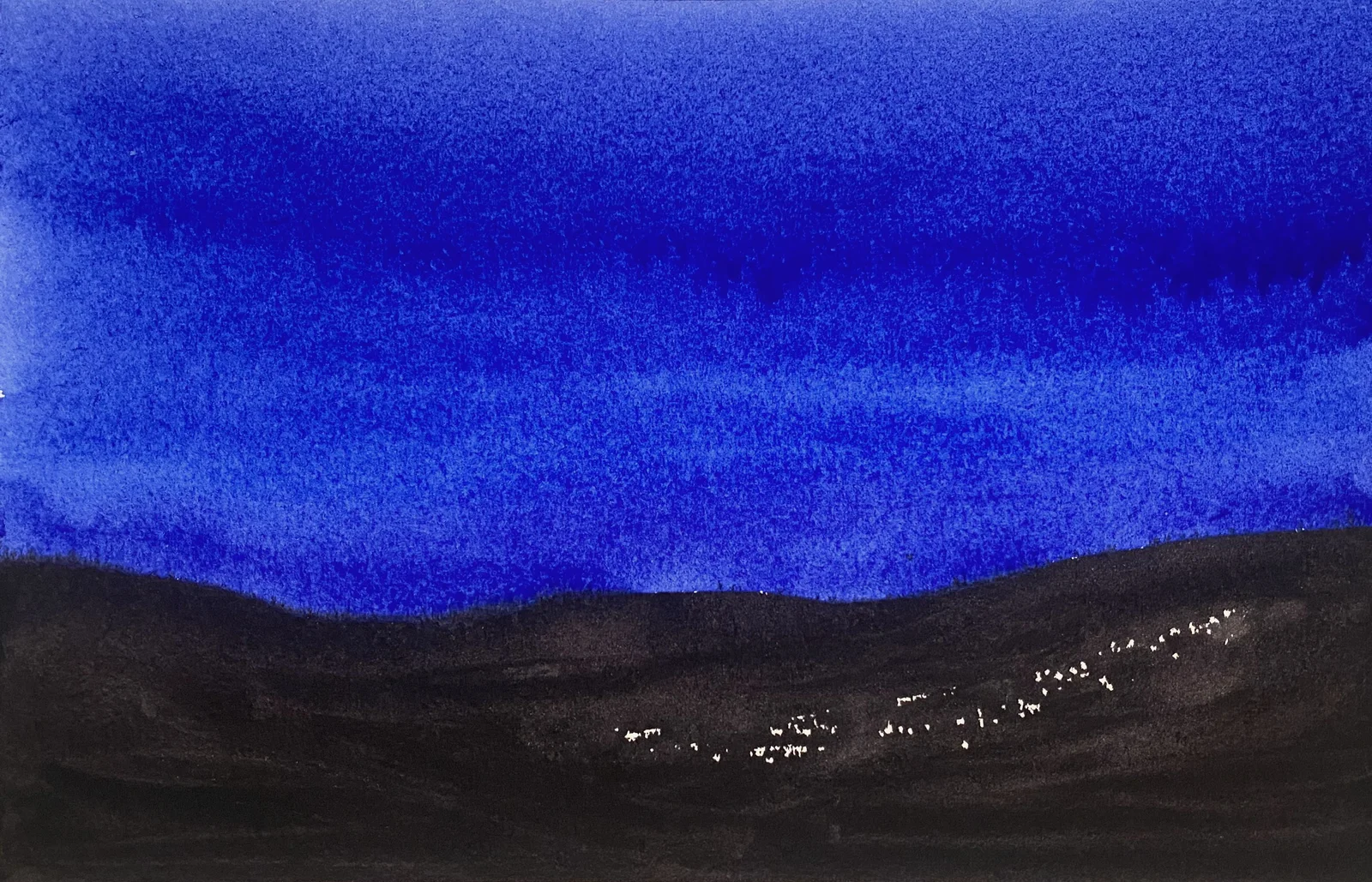
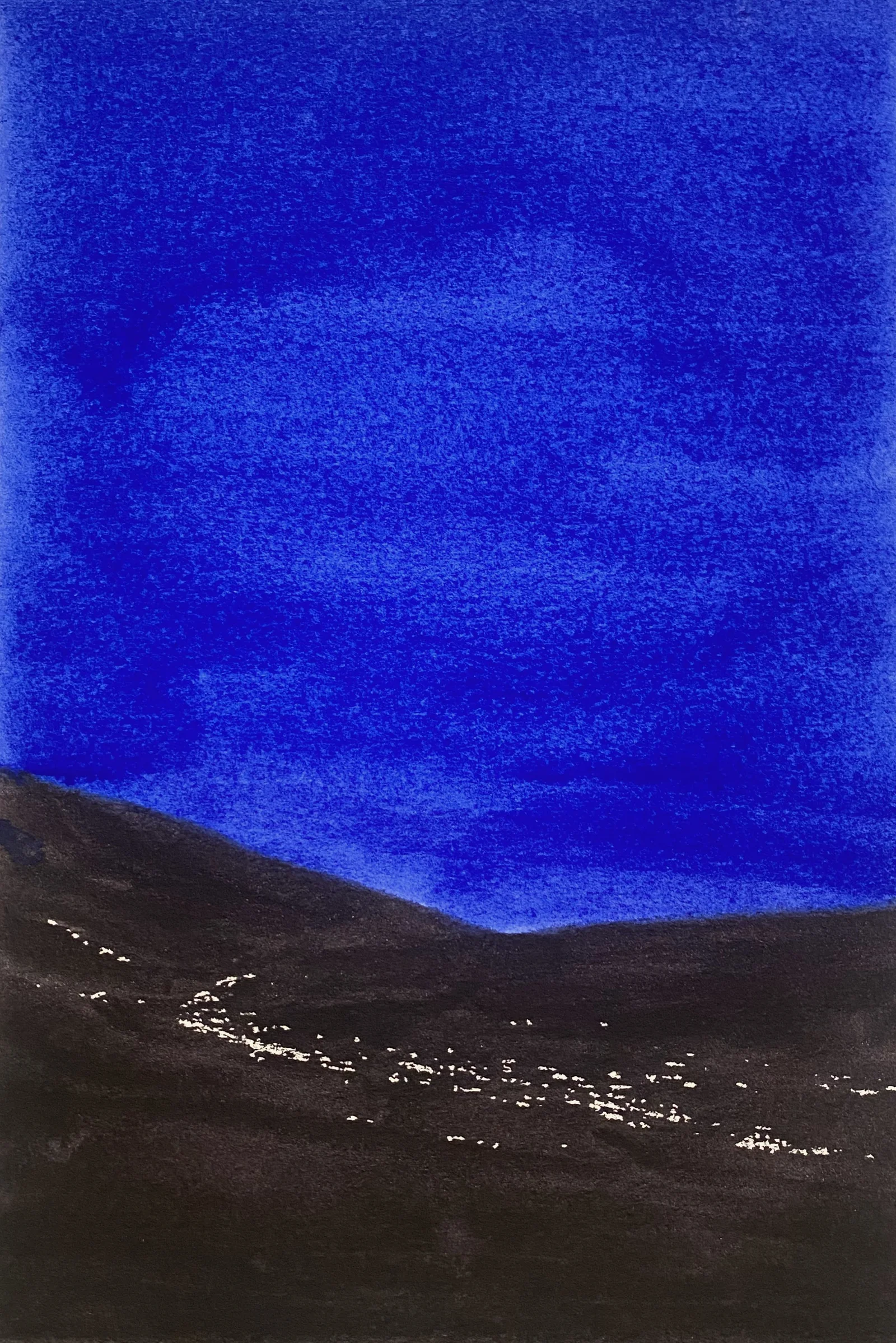
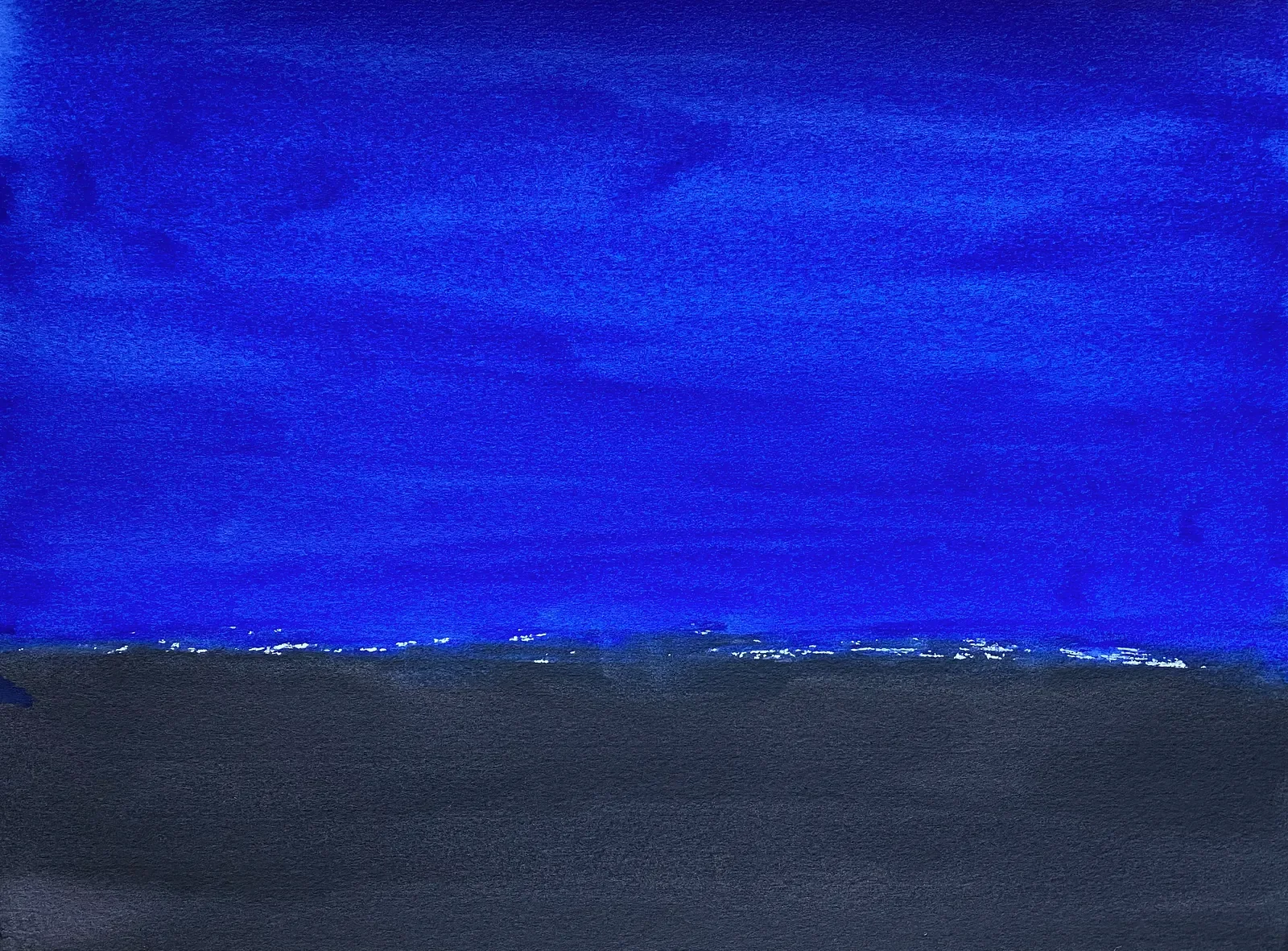
I stumbled on this idea a couple of years ago. I felt like I kept seeing it everywhere I went on this trip, so it was time to revisit. These variations are based on how I imagined different places I saw, from Băile Herculane in the valley to Orșova on the water. For me these paintings have a kind of nostalgia to them. I’d like to think that when people see them, they might be drawn away to their own memory of lights in the distance…
Group 3: City Scenes
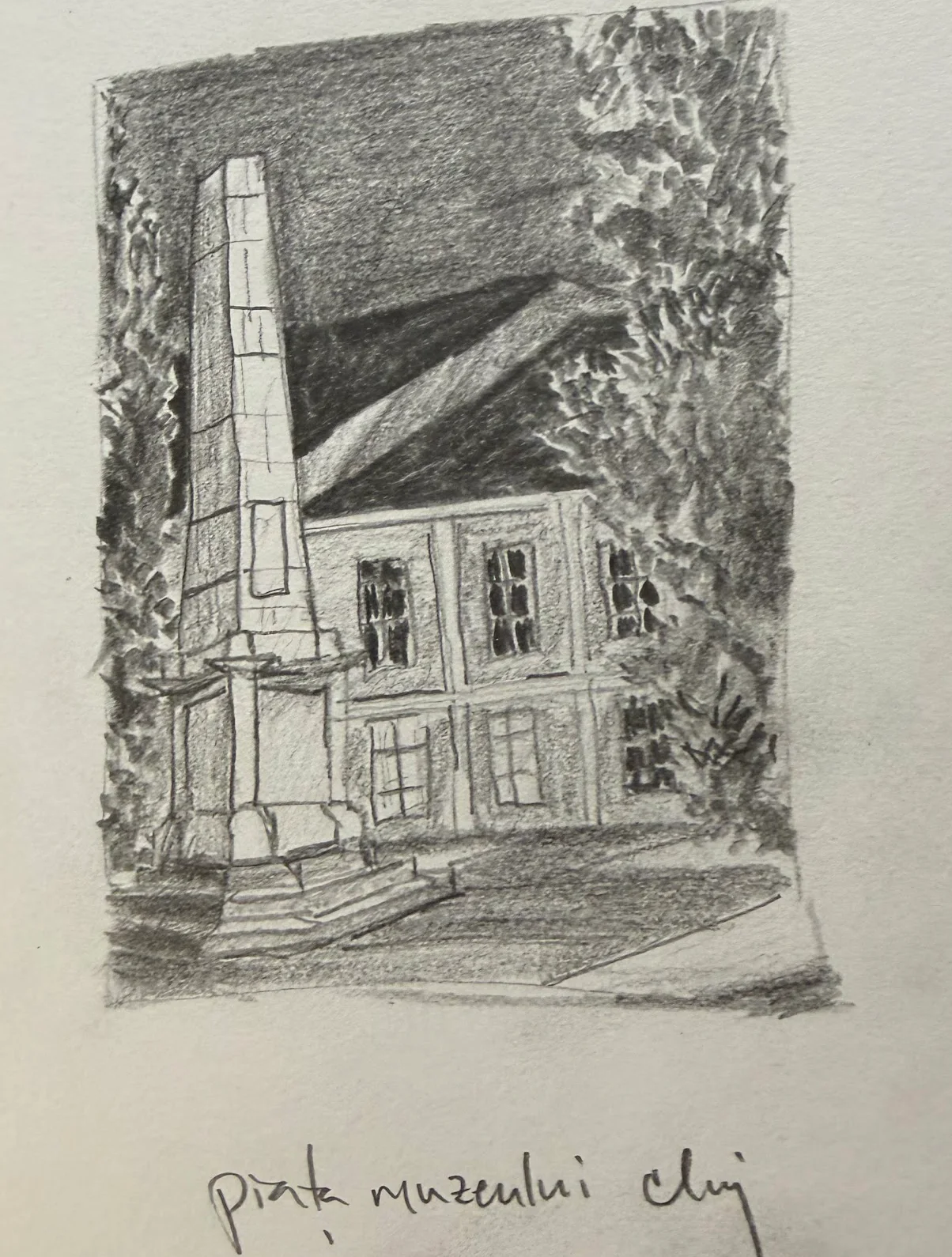
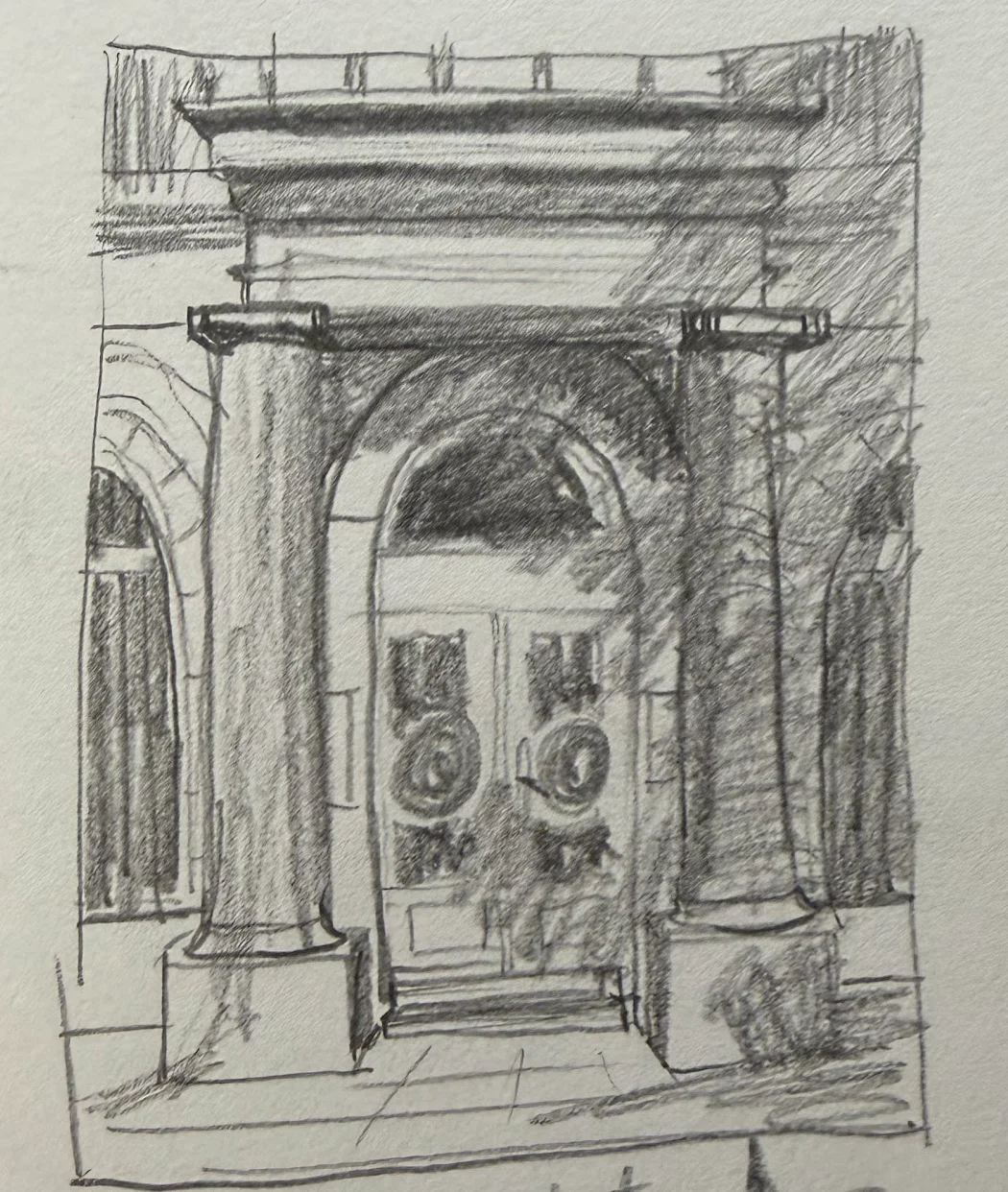
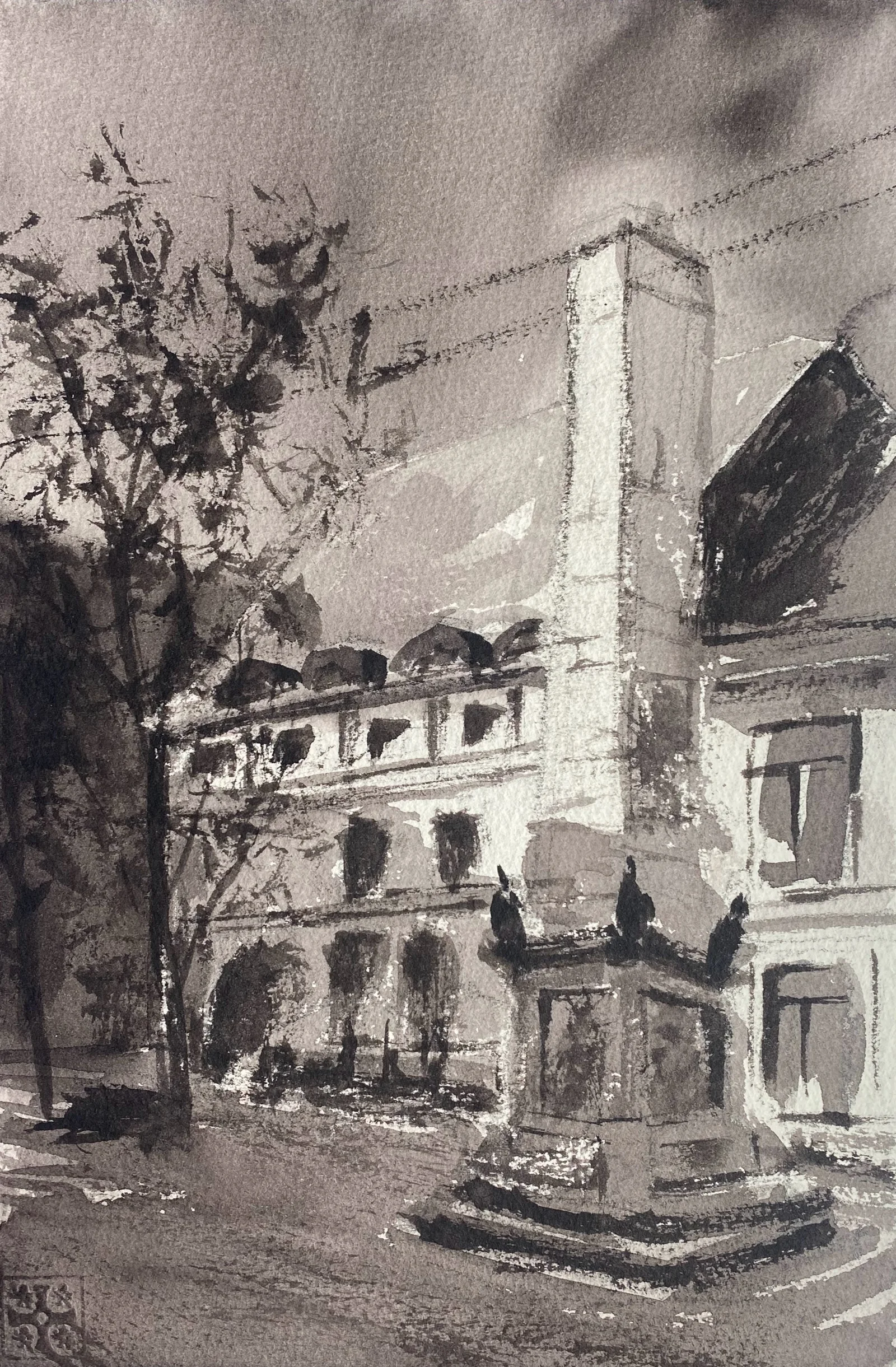
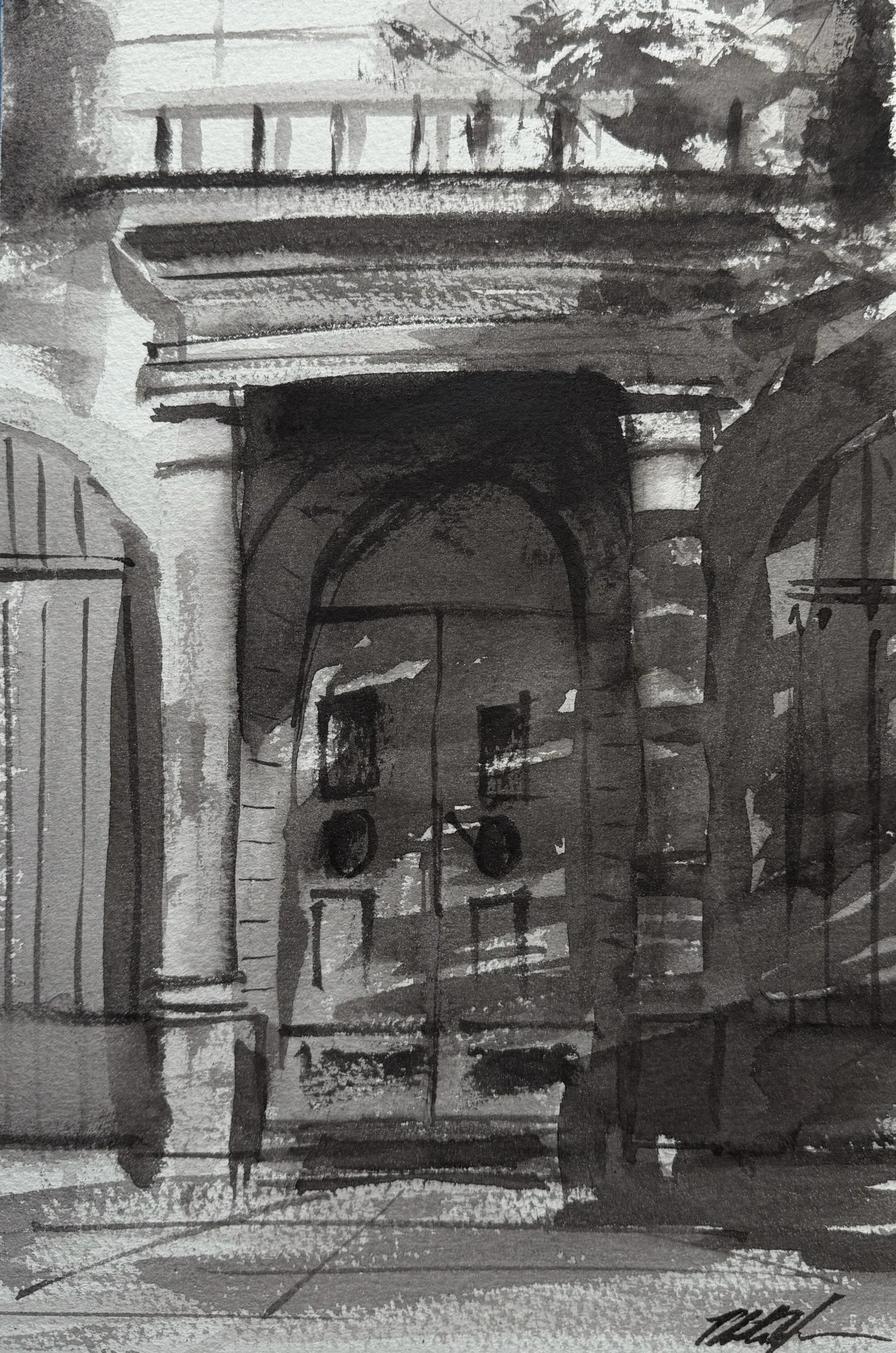
It has been some time since I painted urban scenes, but I’m fairly happy with these two value studies from Cluj and Budapest. Regarding the Budapest doorway, I was interested to see how I could make a largely symmetrical scene look more interesting by painting it loosely and casting strong shadows over it. I plan to try some additional city paintings and possibly add color to a couple of them.
Group 4: Cemeteries
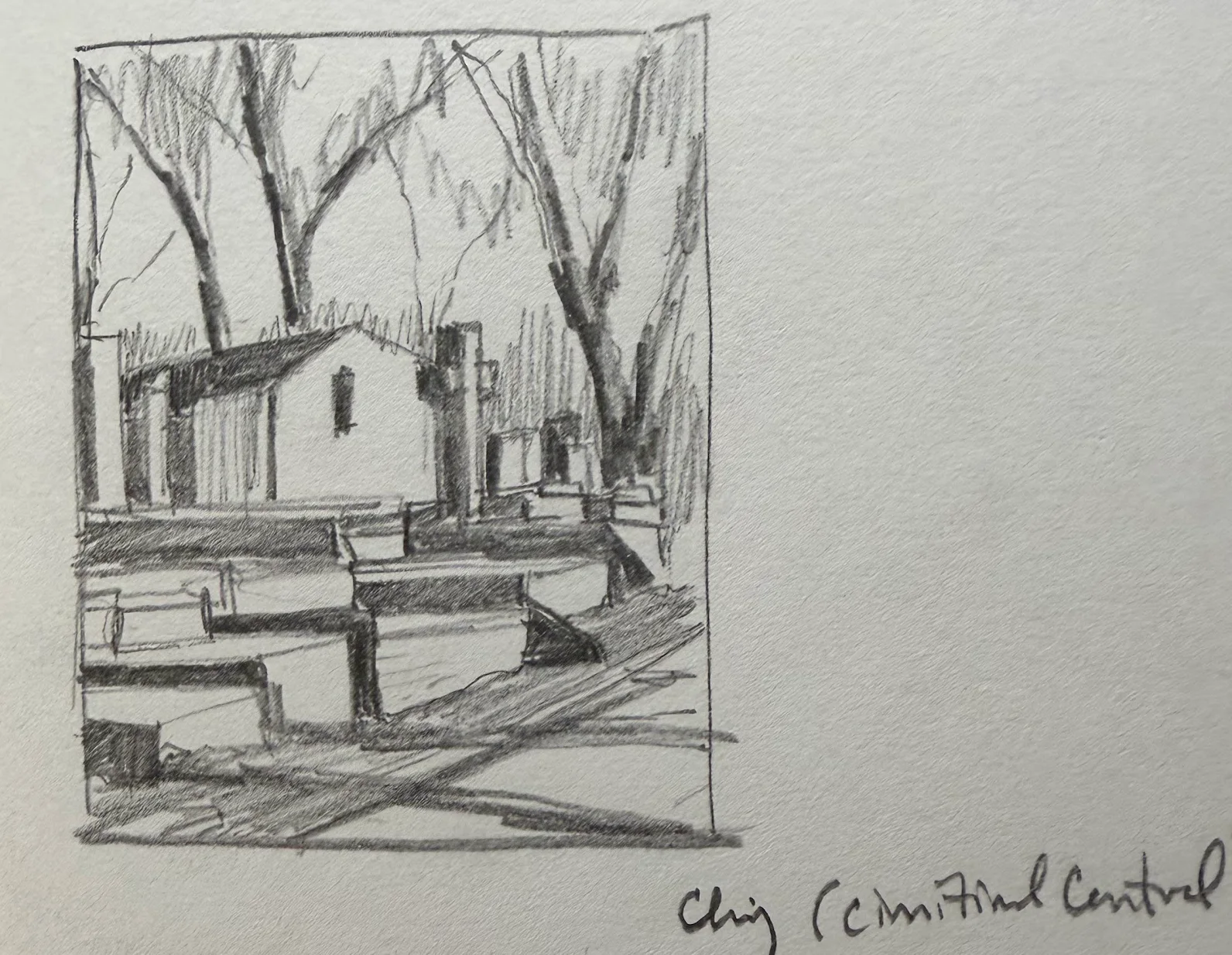
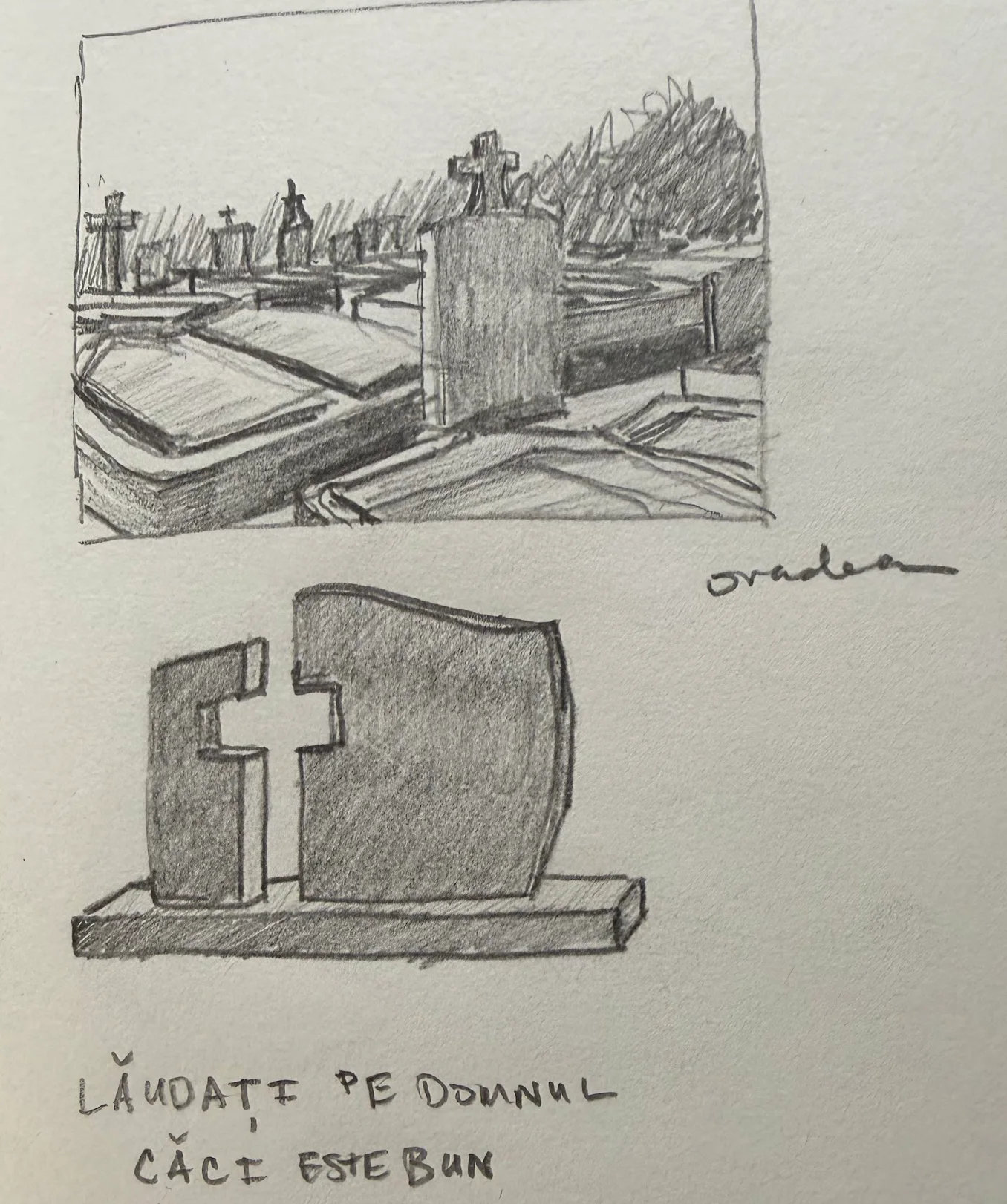
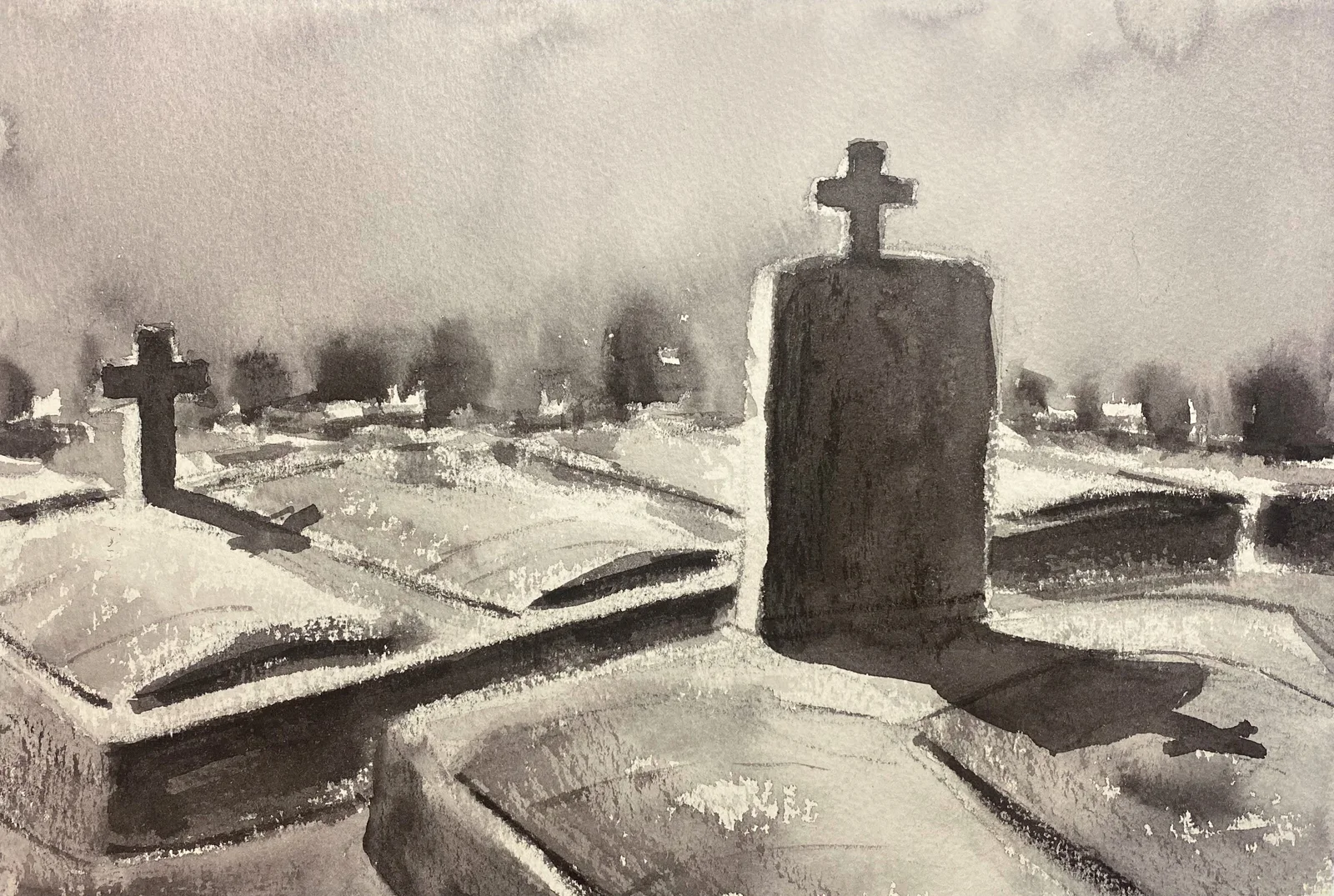
Visiting cemeteries is a regular part of my travel and I don’t know why I hadn’t painted them much before. They’re always interesting contemplative places of lights and shadows. This trip carried some extra weight; my last living grandparent passed away suddenly in June, and I visited her burial place.
Group 5: Decay
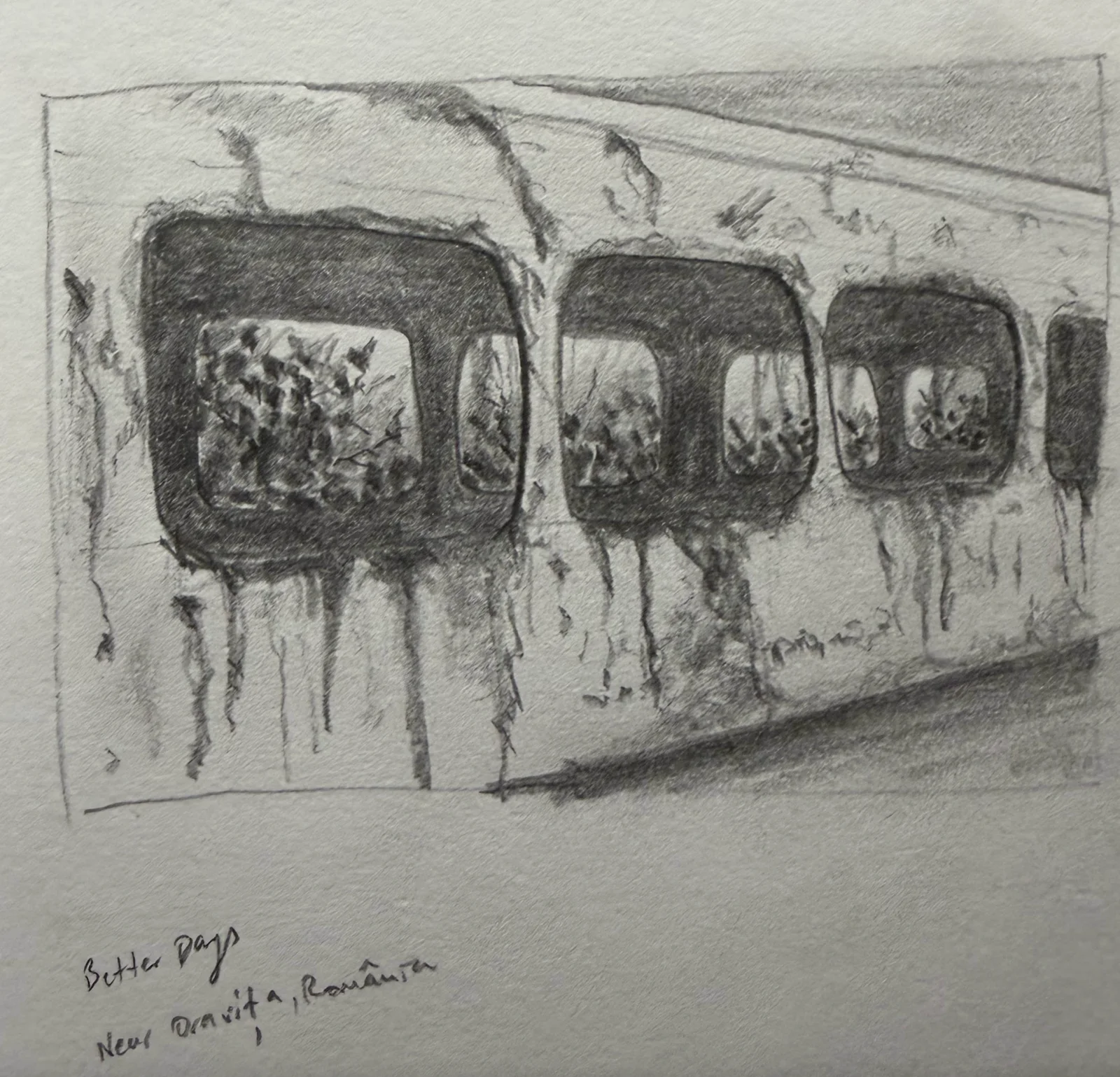
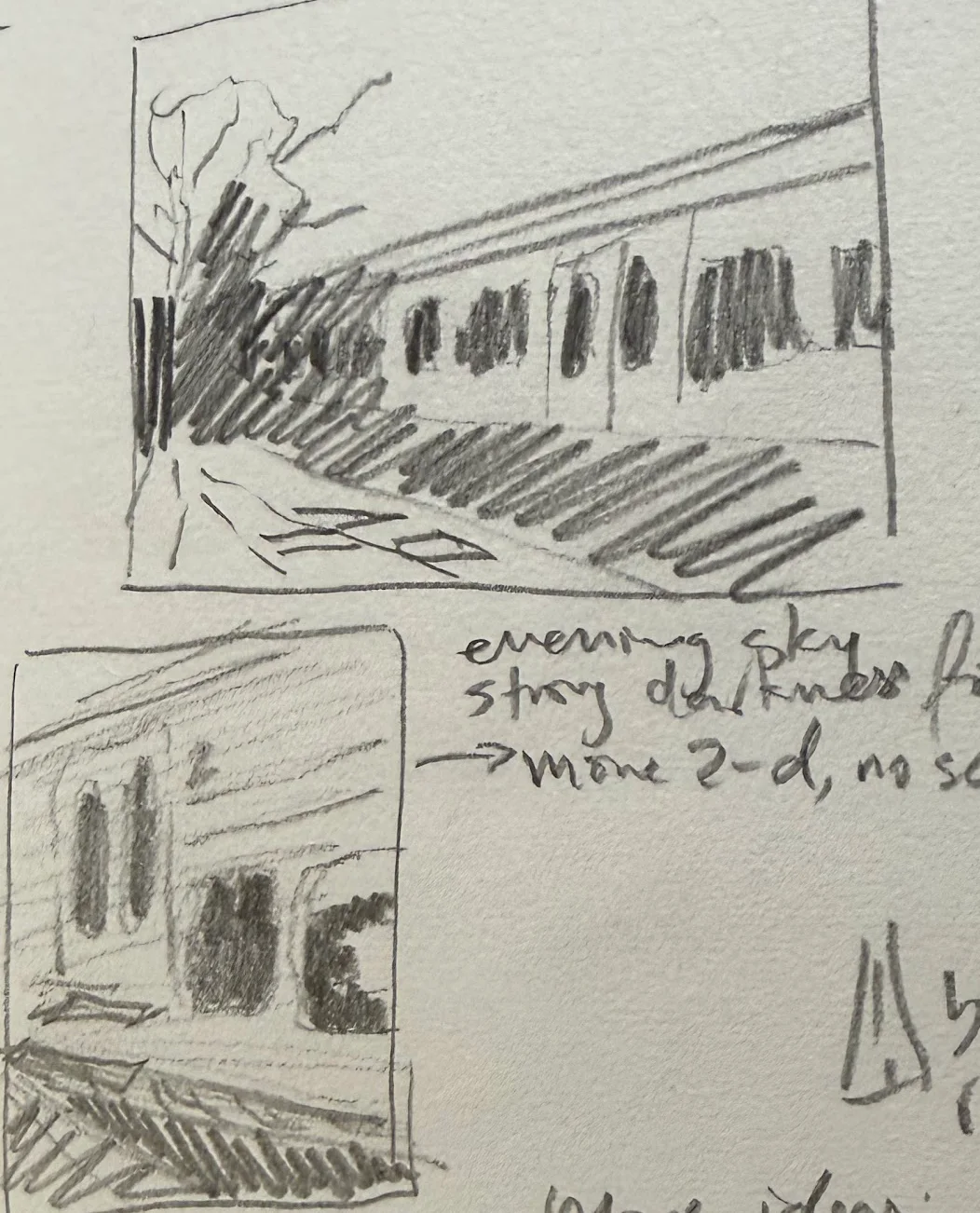
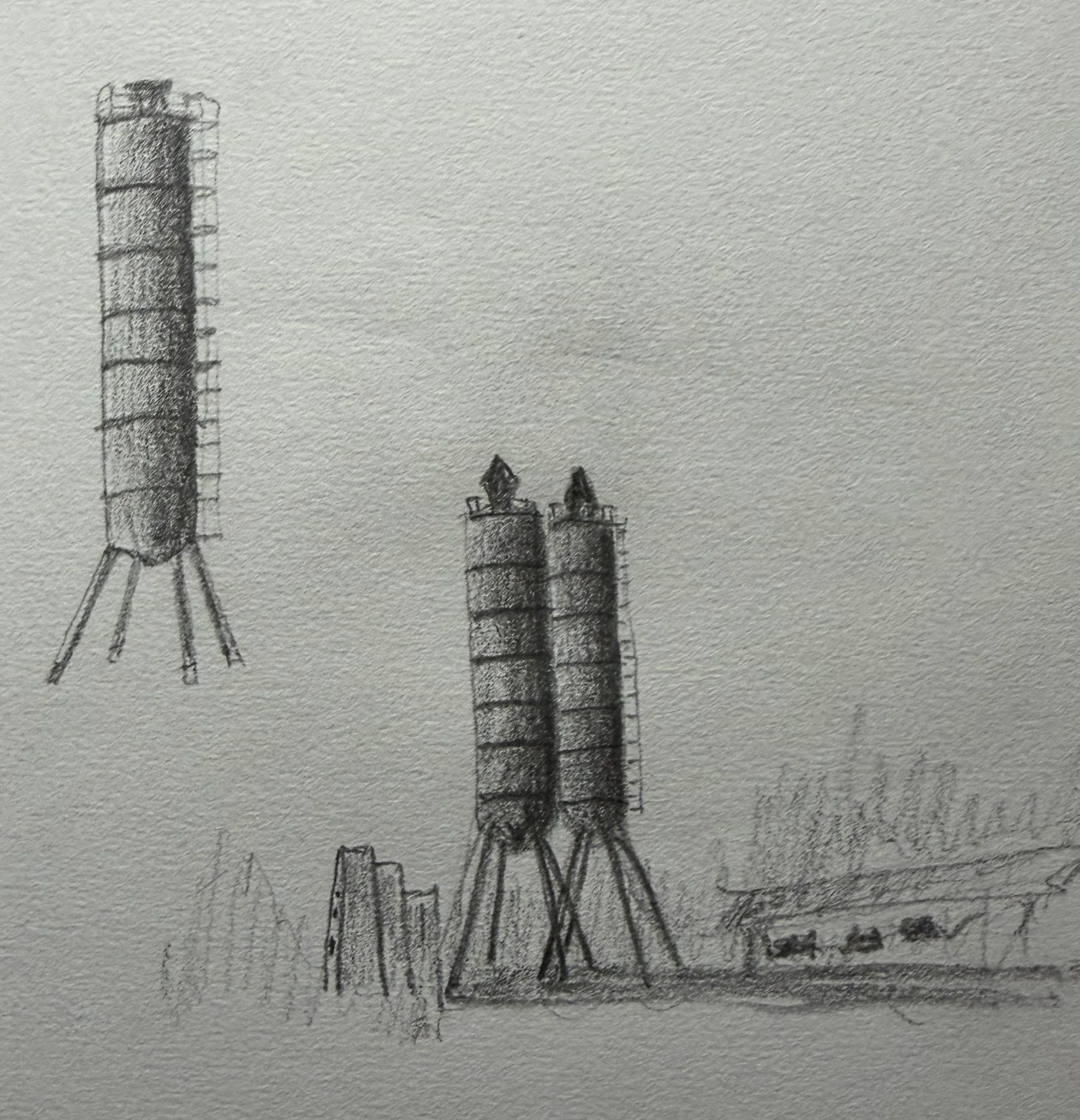
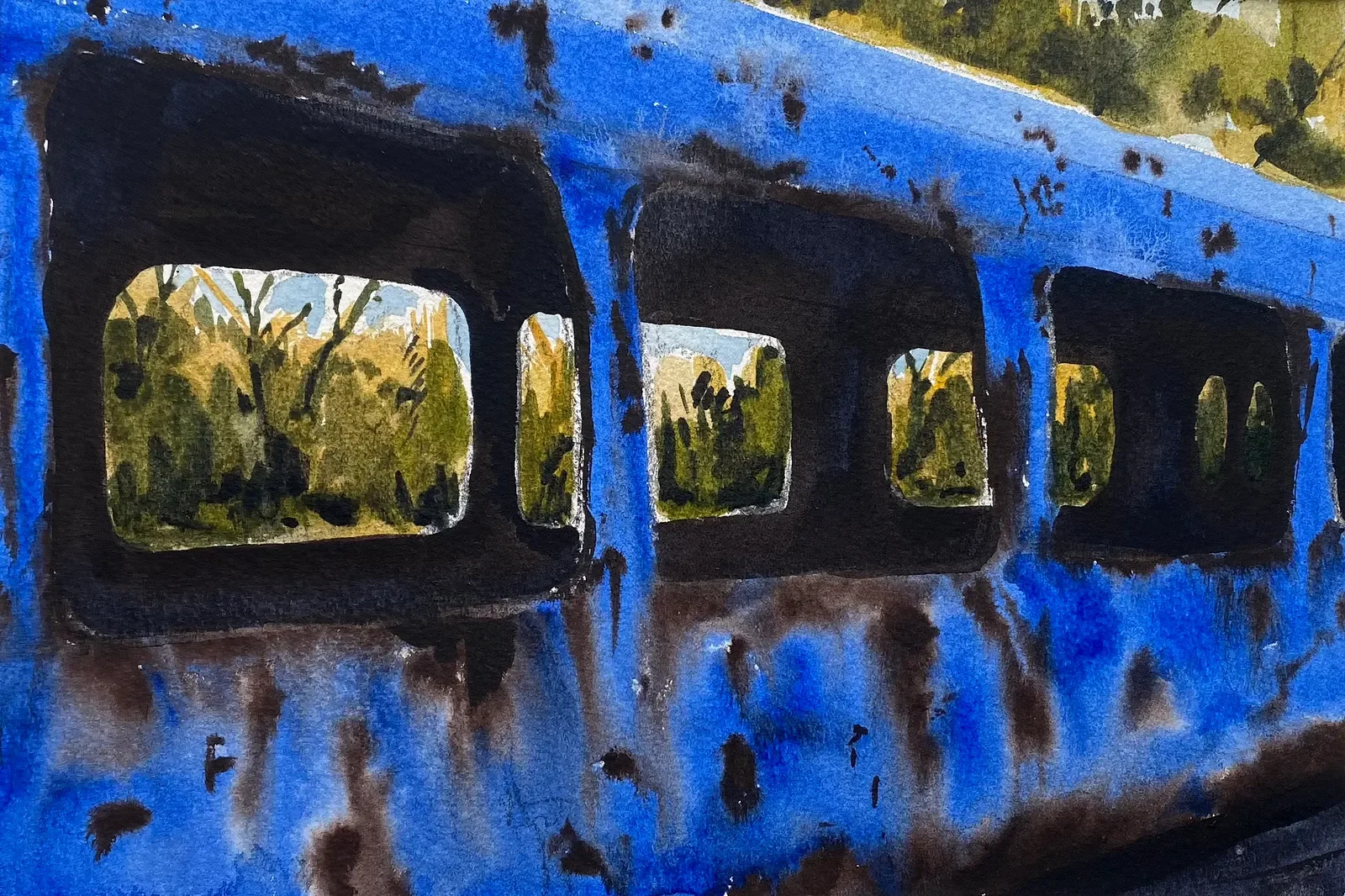
Eastern Europe is one of those places where things (machinery, buildings, etc) tend to be used right up to the limit of their lives, then left wherever it’s convenient — often there isn’t money to clean up unused things right away. I’ve been asking myself: Is there dignity in the decay of an abandoned train car, building, silo, etc.? Or are they just eyesores? Maybe it depends. In any case, I think there may be better painting mediums for bringing these ideas to life, but I will try to make due with watercolor for now.
Group 6: Others/Misc
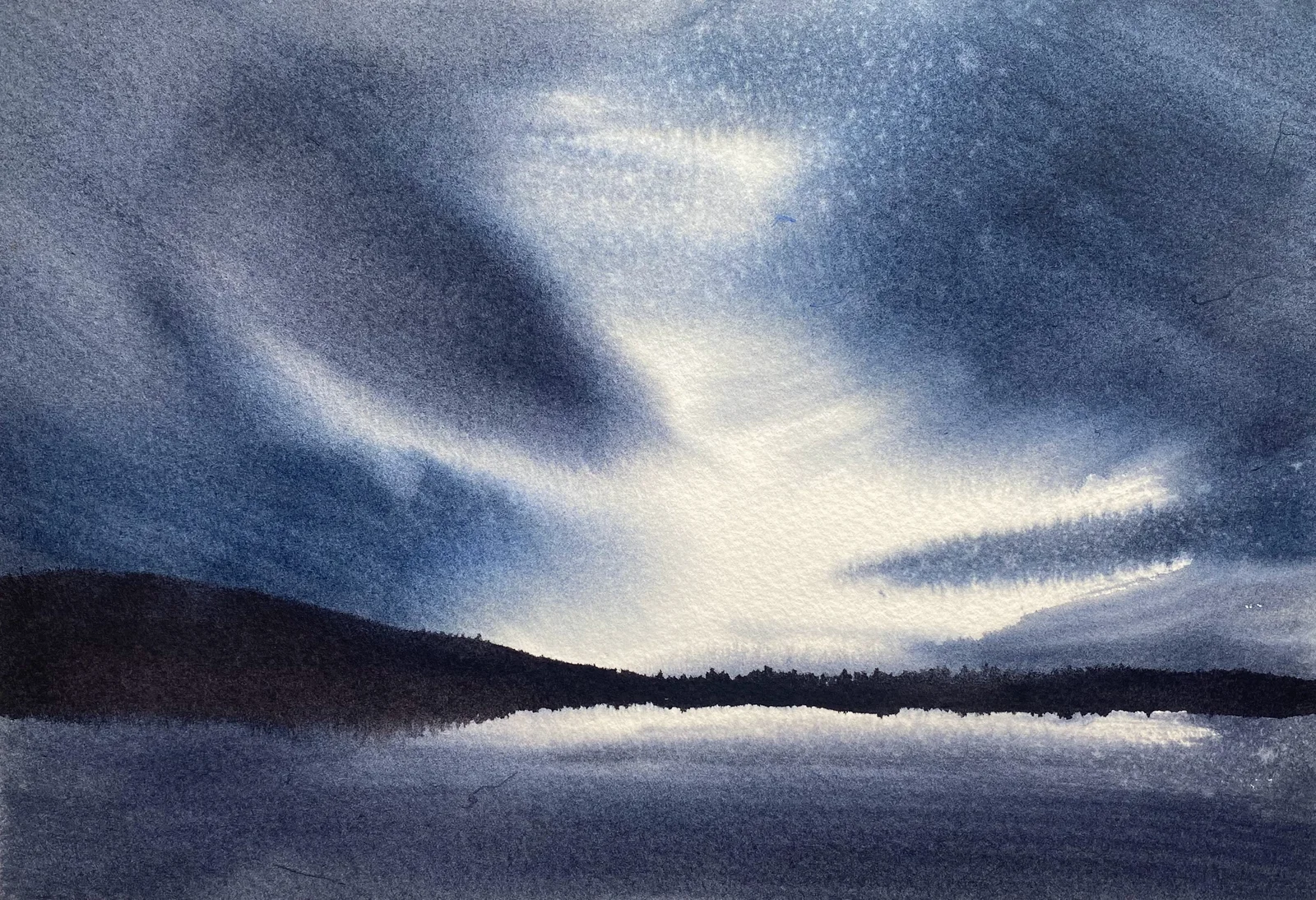
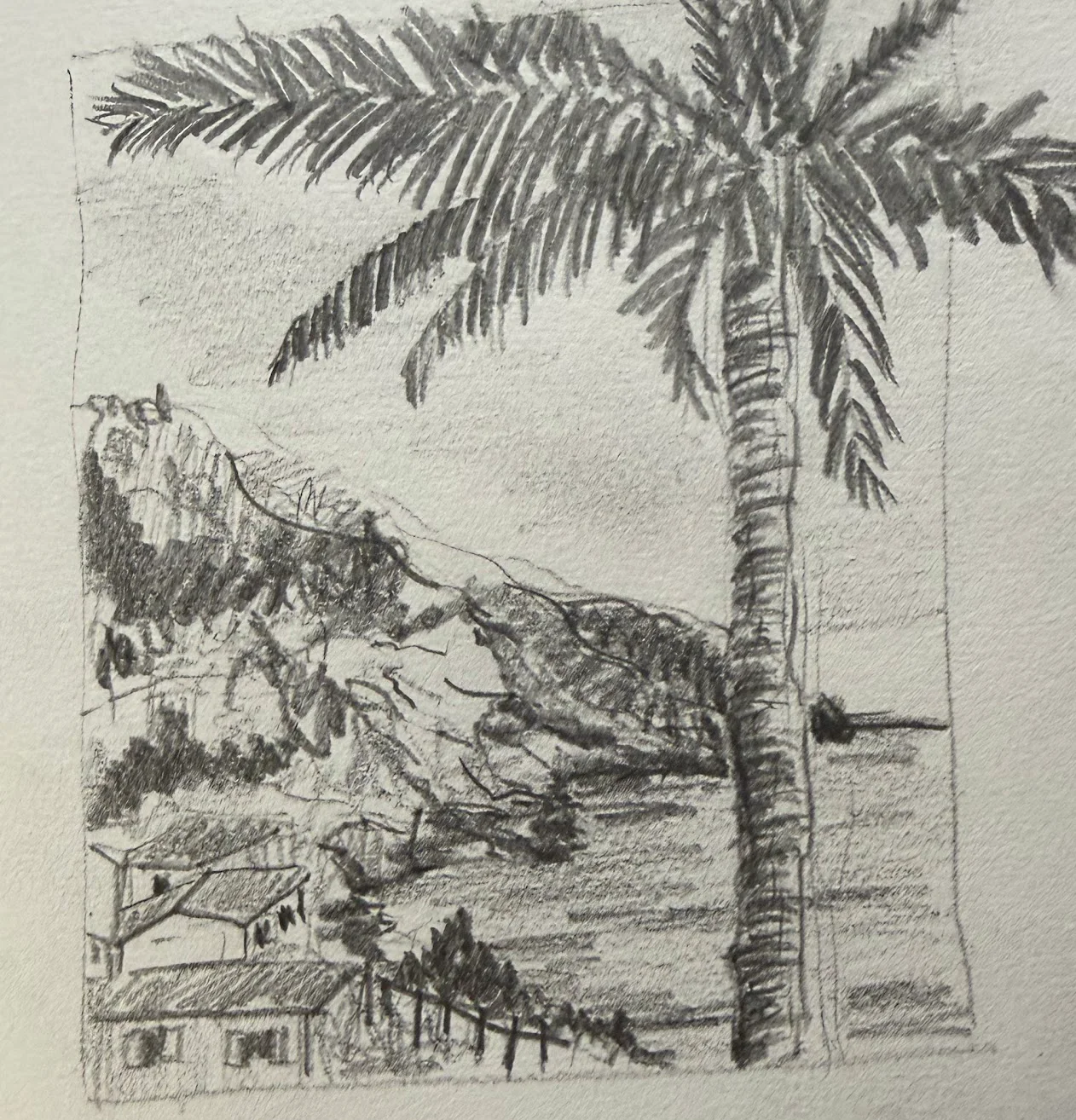
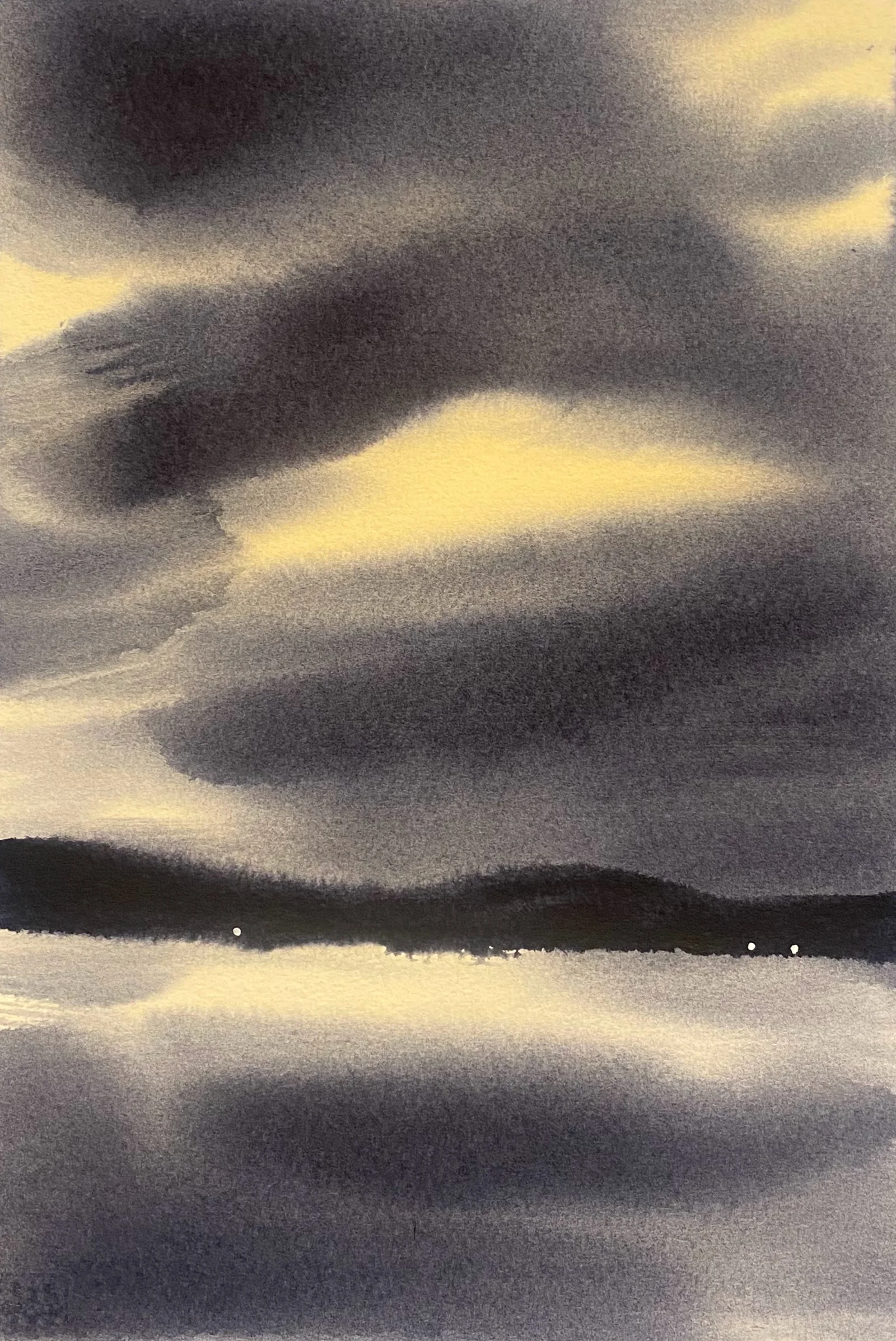
Pictured: Clouds above the Danube in Romania, and a sketch of Vernazza in Italy.
These last few days I haven’t felt the same urge to paint (I was painting on average every other evening in November and early December). My series of European paintings based on the 2025 trip is surely not complete, but I do feel a distinct sense that I’ve scratched the first itch. Now it’s time to slow down and find compelling variations within these themes for an eventual part 3 post — not as fun as the initial mad dash through ideas and tubes of paint, but rewarding in its own way. It will be a good way to pass the time until I begin planning another extended trip east of the Atlantic, which I hope to be in 2026.