An Ode to An “Ugly” Building
Architecture was one of my main gateways into the world of art.
Architecture was one of my main gateways into the world of art. Though I studied Computer Science and Applied Mathematics, my undergraduate university has schools associated both with Ludwig Mies van der Rohe1 and László Moholy-Nagy2, so I was surrounded by the history of these giants (and others).
Though I’ve grown to appreciate many styles (art-nouveau palaces, byzantine orthodox cathedrals, etc), the umbrella of socialist modernism has a very specific spell on me. Detailed mosaics on apartment blocks, stark shadows on brutalist concrete surrounded by greenery…it’s endearingly counter-conventional. In a world where “good” buildings are described using words like: harmony, togetherness, well-being, collaboration…brutal concrete exists stubbornly on the other side of the coin.
Băile Herculane, a spa town in southwestern Romania, has been inhabited (allegedly) since the Stone Age — drawing conquerors and travelers alike for its mineral springs. Completed in 1976, the Hotel Roman3 sits on the edge of town and looks like it’s straight out of a science fiction novel. It’s a building I saw on my instagram feed years ago and longed to see.
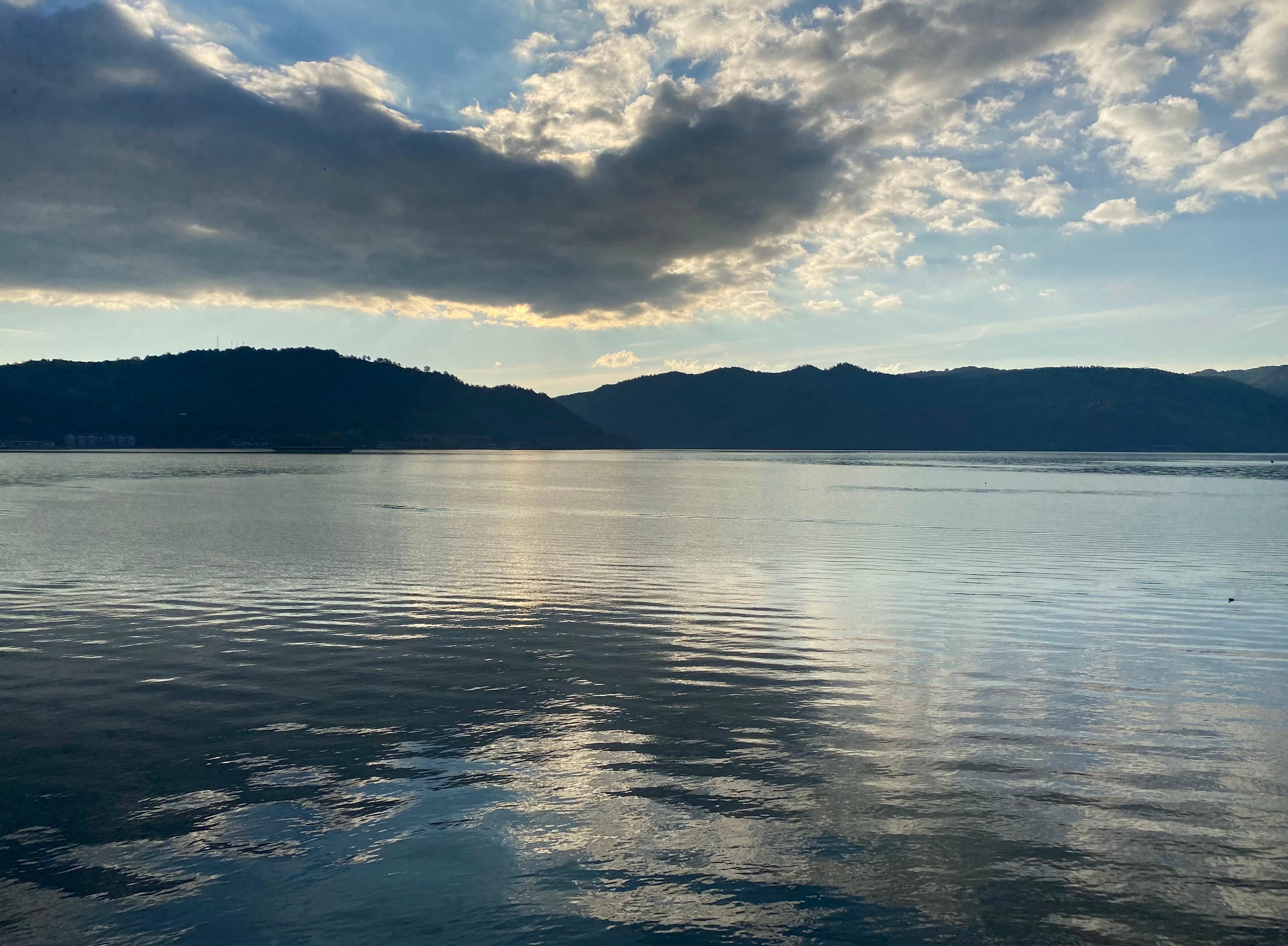
October 13th was an errand-and-rest day. I got a watch repaired in Drobeta Turnu-Severin, spent a long hour in the gym in Orșova, then sketched on my porch overlooking the Danube. From there, it was into the car and up to Herculane for the first time.
In the brief moments afforded to glance upward from the dodgy pavement — doubtless cut-up for some never-ending project — one notices how narrow the town is, wedged deep in a north-south running valley. To my surprise, many people are out walking up and down the Cerna riverbank in the pleasant early-fall weather. I pass local landmarks like the long abandoned “Neptune” Imperial Baths and the bronze statue of Hercules himself, fabled to have bathed in these murky mineral puddles.
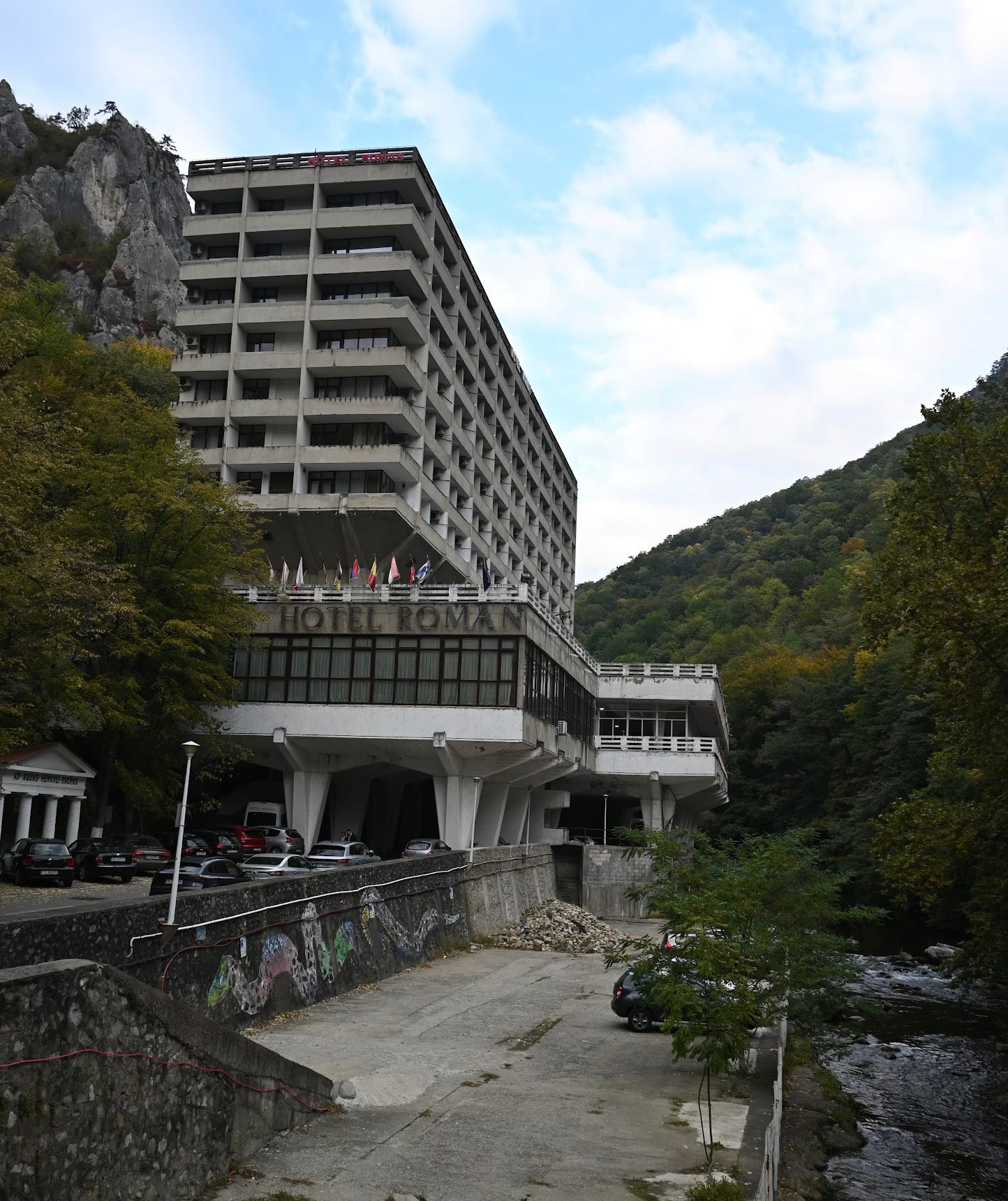
Emerging through green foliage, the Hotel Roman assaults the senses, like so many brutal giants. Balancing on white concrete stilts, the building juts out of the ground and swallows the road underneath it. I parked my car and sat on a stone wall for a few minutes just taking it in, listening to the river bubble along by on my right. Though I did not have the privilege to stay at the Hotel on this trip, surely the astute reader will understand I then had to find my way inside the hotel to understand the full picture.
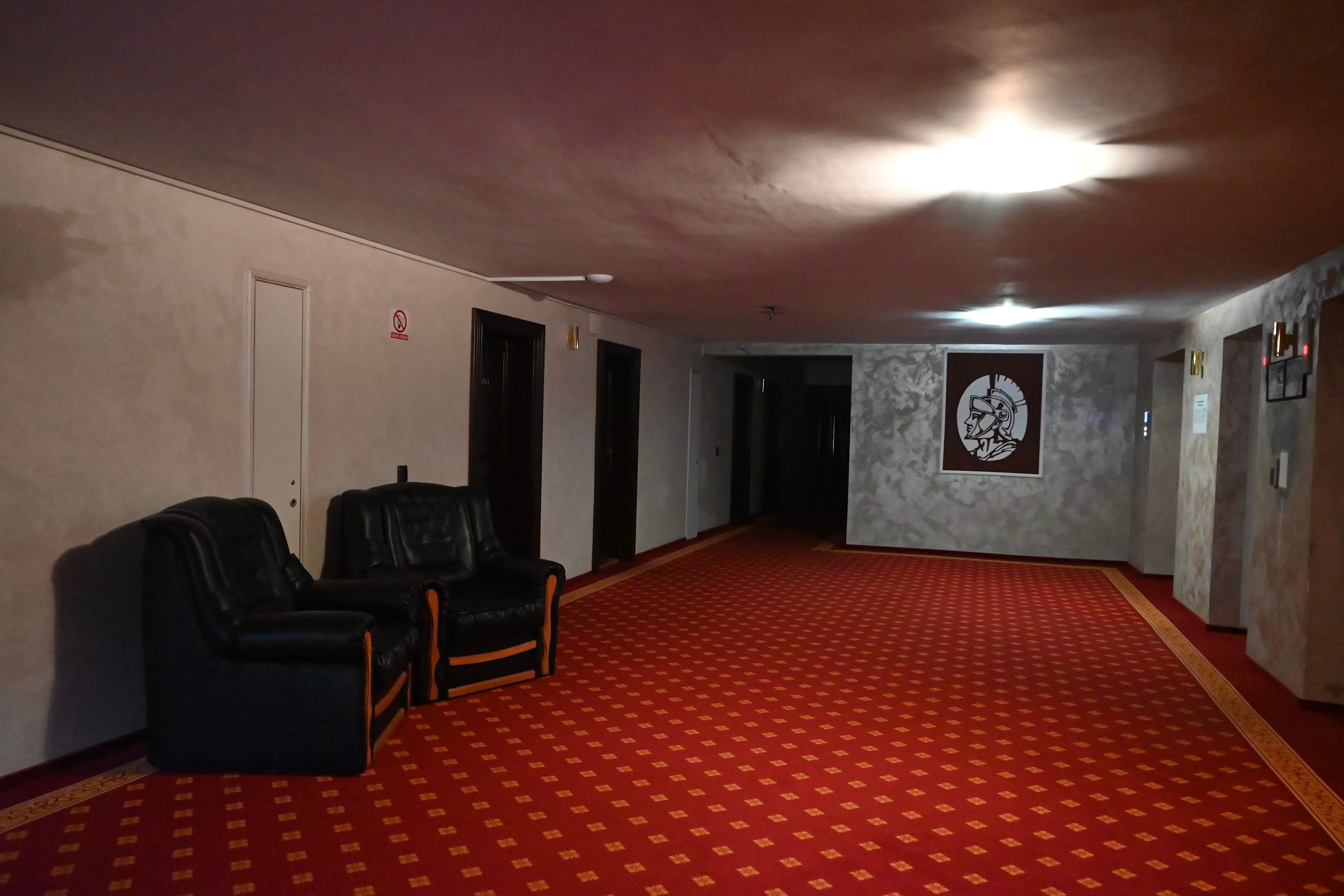
I walked right up to the elevator bank, acting like any other guest, promptly taking the elevator to the top floor. To my disappointment that floor had been recently renovated, not without some charm, but lacking the character I expected. I took the stairs down and popped my head in every landing until, finally, one sang the song I had hoped for. I imagine the feeling I had was similar to a secret police spy who had just obtained a critical piece of information that only they knew about — inwardly giddy and outwardly calm to avoid drawing attention. Looking at the image I captured I’m taken right back to that spot in spirit: old red carpet, dark hallway, two random armchairs conspiring together with a mysteriously thin door between them…
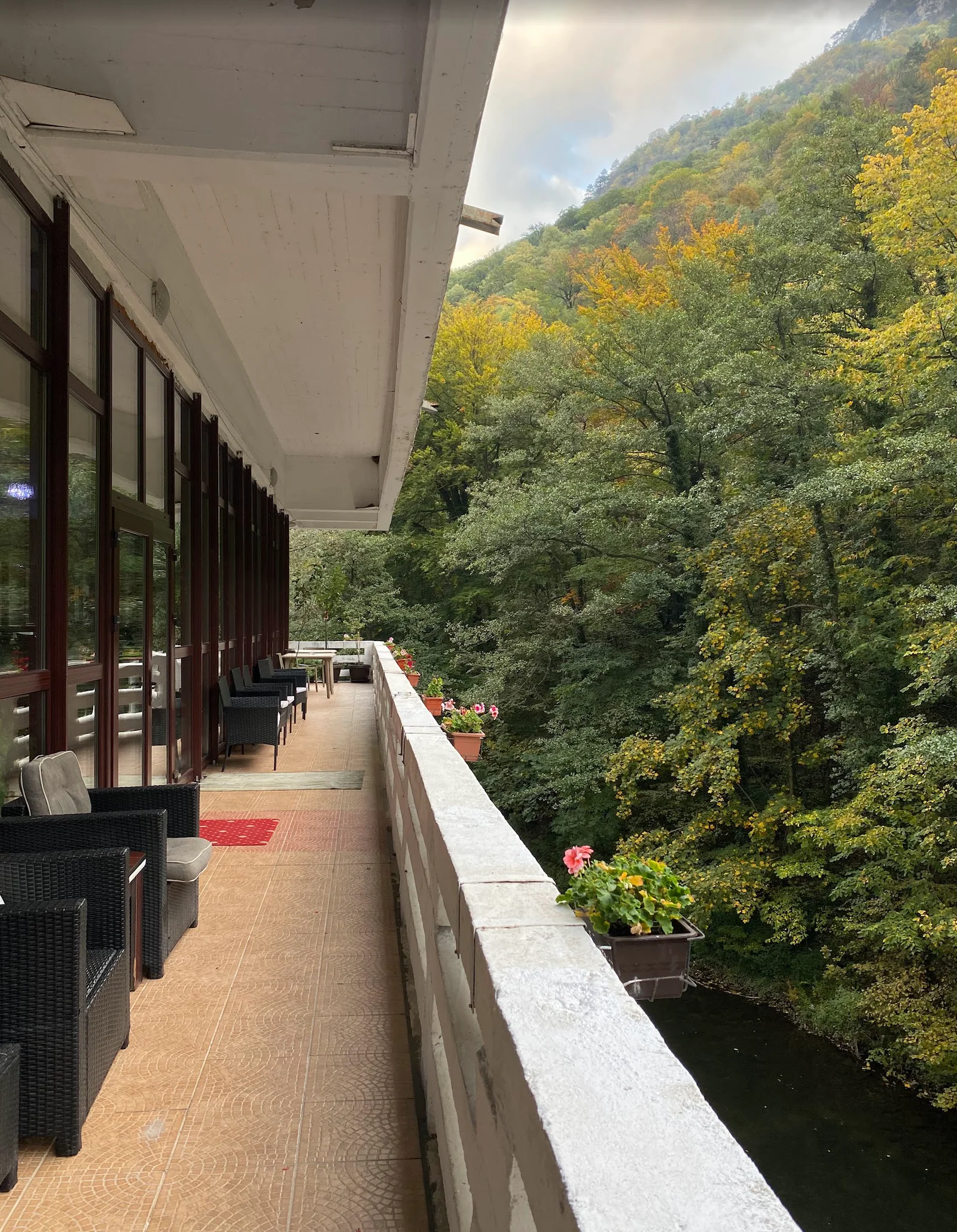
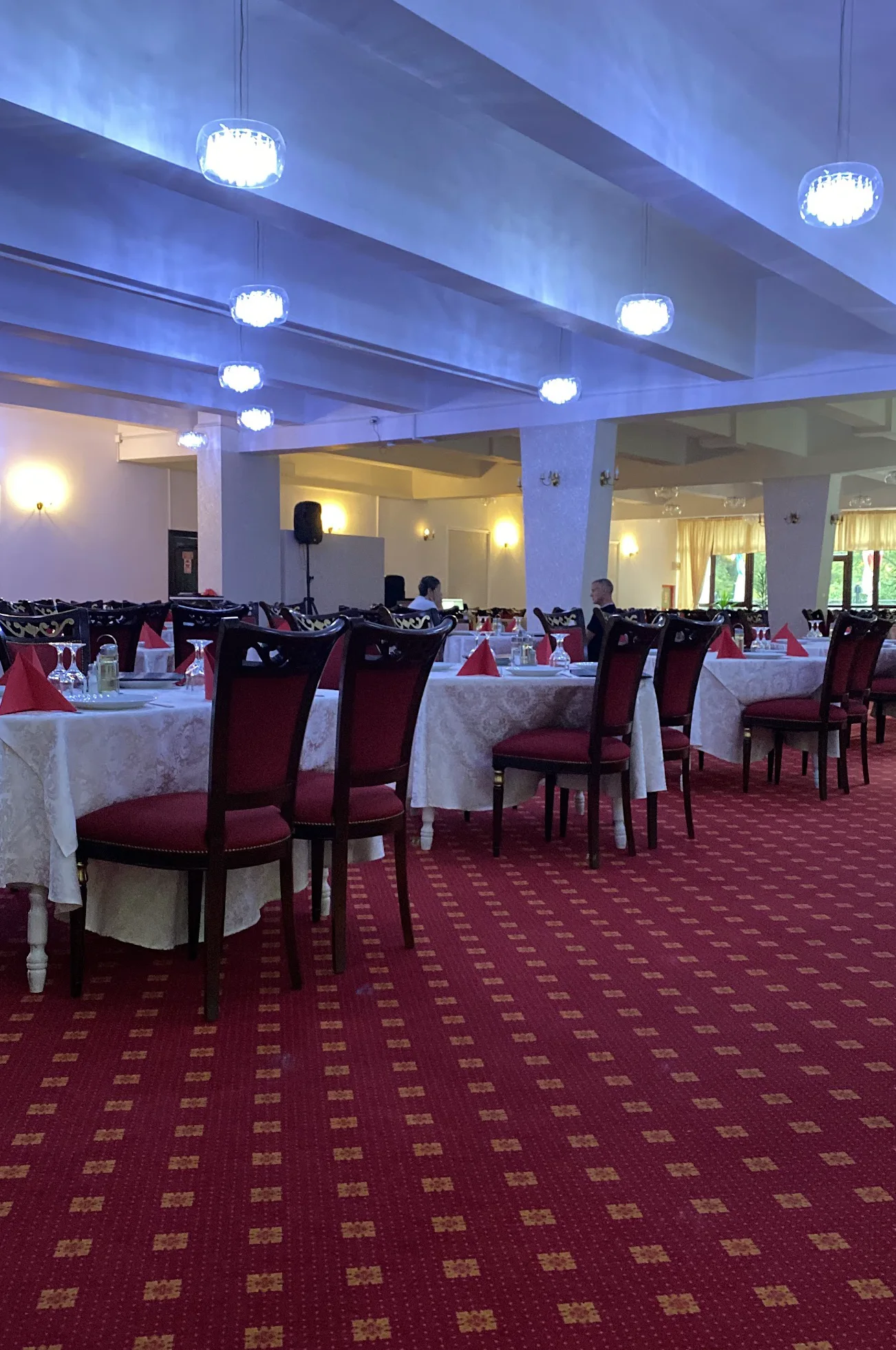
Continuing further down the dark stairwell to the hotel restaurant, I dined on a fairly unremarkable meal with a spectacular terrace. It was easy to feel the whispers of the past in a space like this — if you squint you could practically see the bygone time when soviet-era vacationers occupied these same spaces on their short holidays in the mountains, sulfurous bath treatments, smoke breaks and all. Enjoying my lukewarm chiftele bathing in a salty nondescript sauce, I reflected on the building’s unique ability to make one feel like they’re in the mountain itself: dark, sturdy, solemn. I paid my bill and wandered the dark halls for a few final moments as dusk set in.
Traveling Europe alone for the first time, I was chasing a window into the past—one that’s harder to crack open in the West or even in Romania’s bigger cities, where point-and-shoot crowds and endless souvenir shops have fundamentally changed the landscape. Stray off the beaten path and places like the Hotel Roman still offer a glimpse into an experience where “progress” hasn’t fully arrived. Frankly if you’re looking for artistic inspiration, I don’t know if the past masters would recognize their cities now. Where you like to visit is entirely your decision, and there are countless “popular” locations that are undoubtedly worth seeing at least once in ones life. However if it’s artistic inspiration you seek, Eastern Europe is a perfect place to search.
Thanks for reading! Subscribe for free to receive new posts and support my work.
As a bonus for making it to the bottom of this musing, please enjoy a small selection of other intriguing socialist-era structures I was able to visit on this trip.
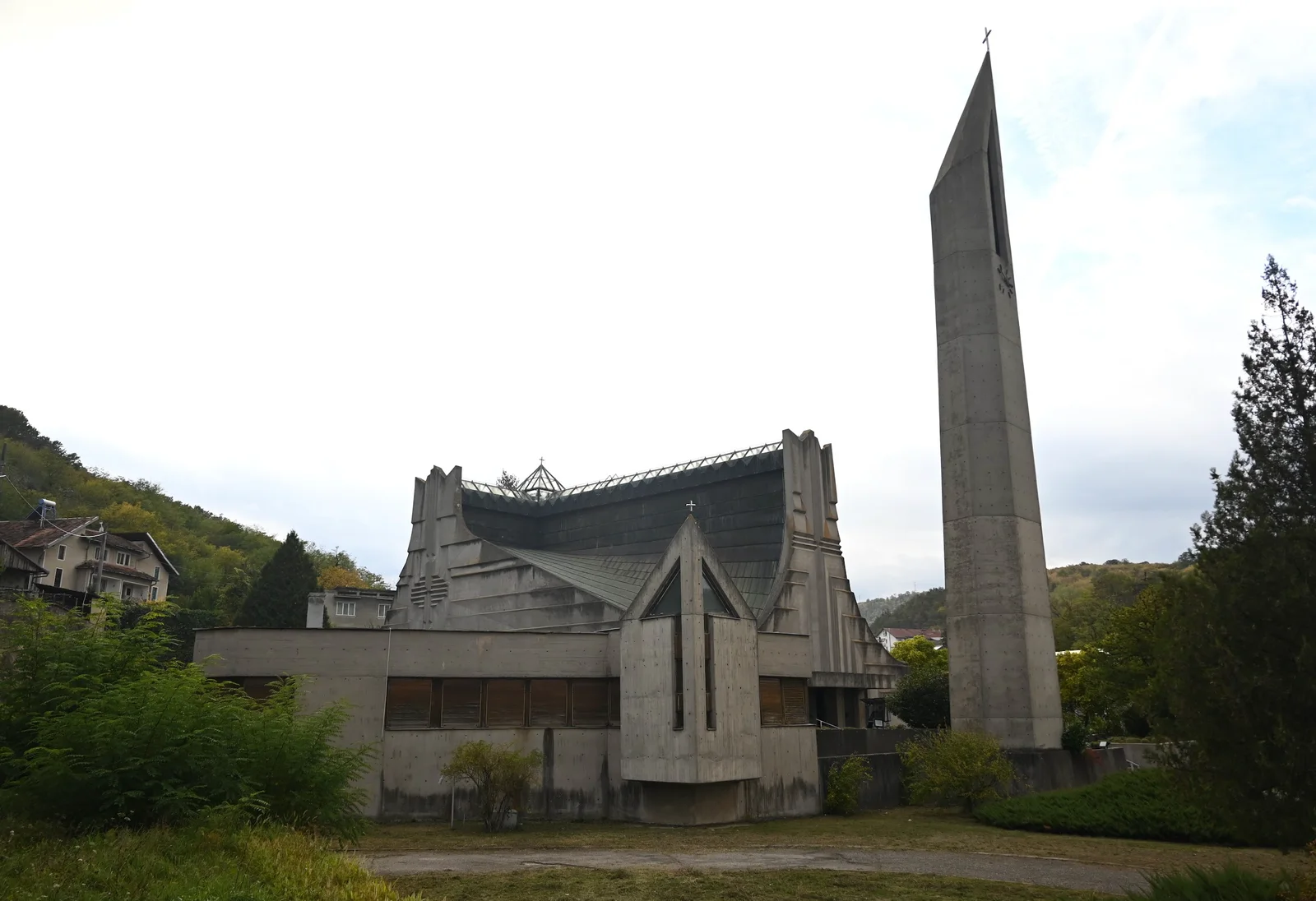
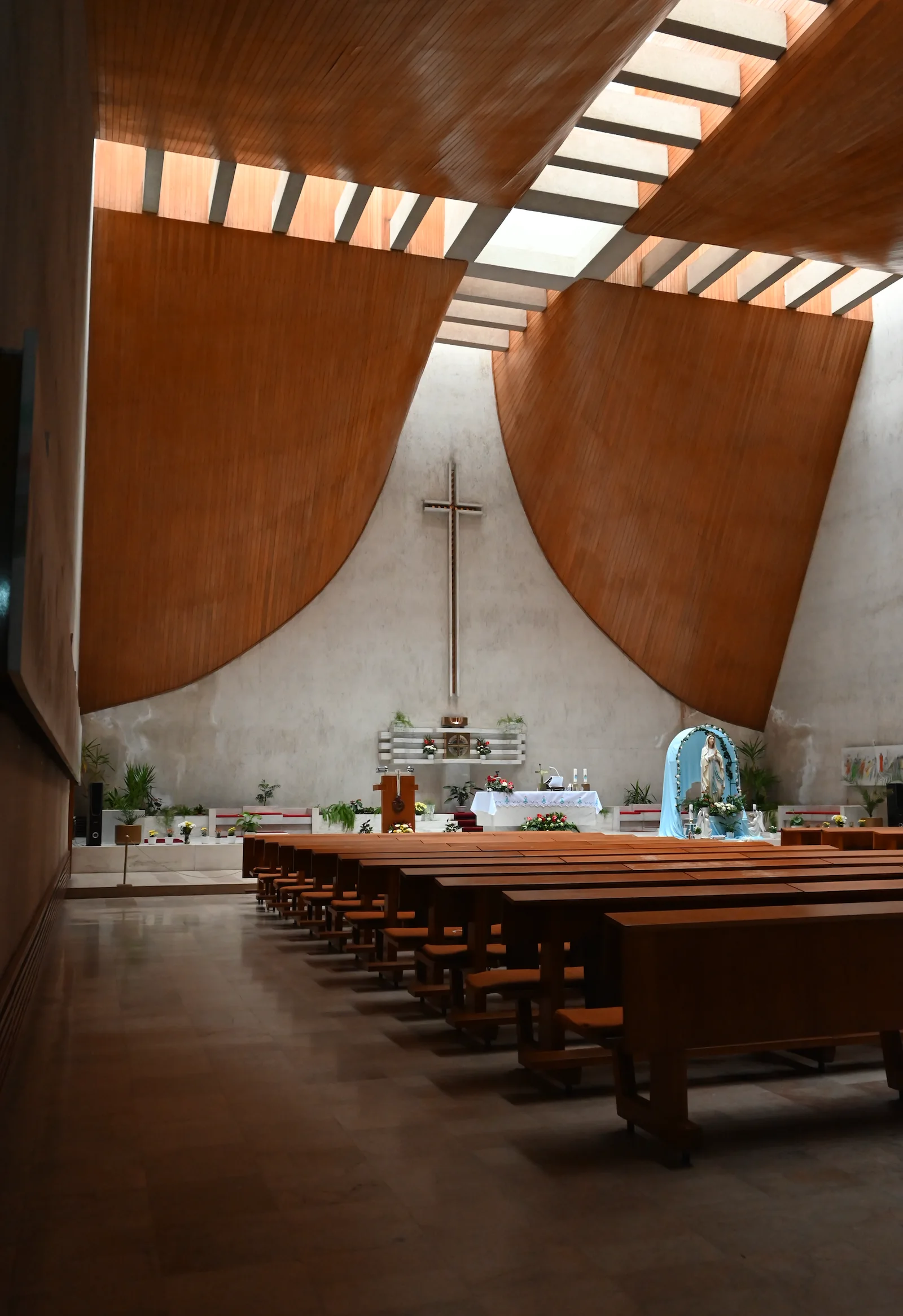
The “Immaculate Conception” Roman-Catholic Church (Biserica Romano-Catolică “Neprihănita Zămislire”)4
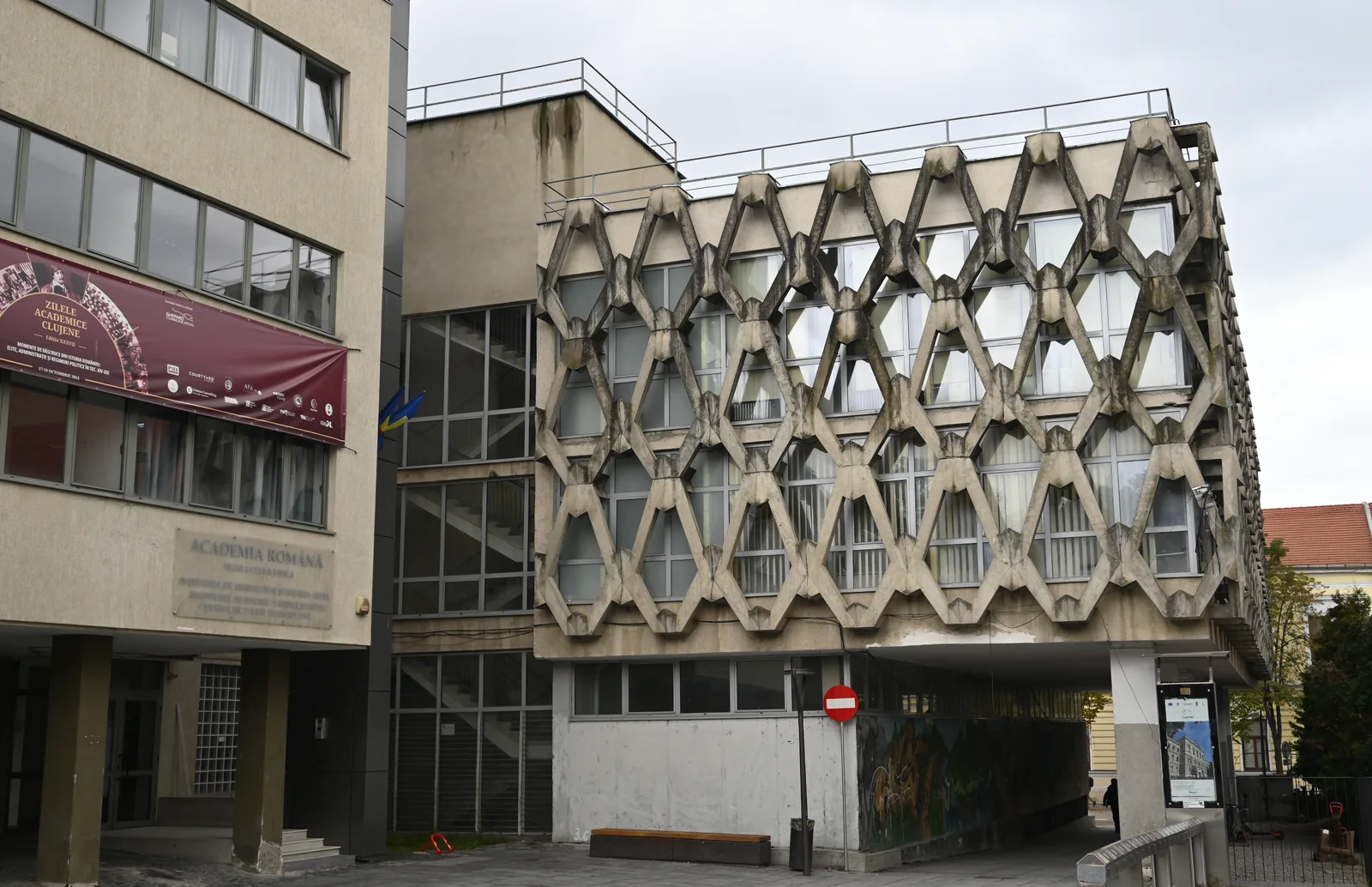
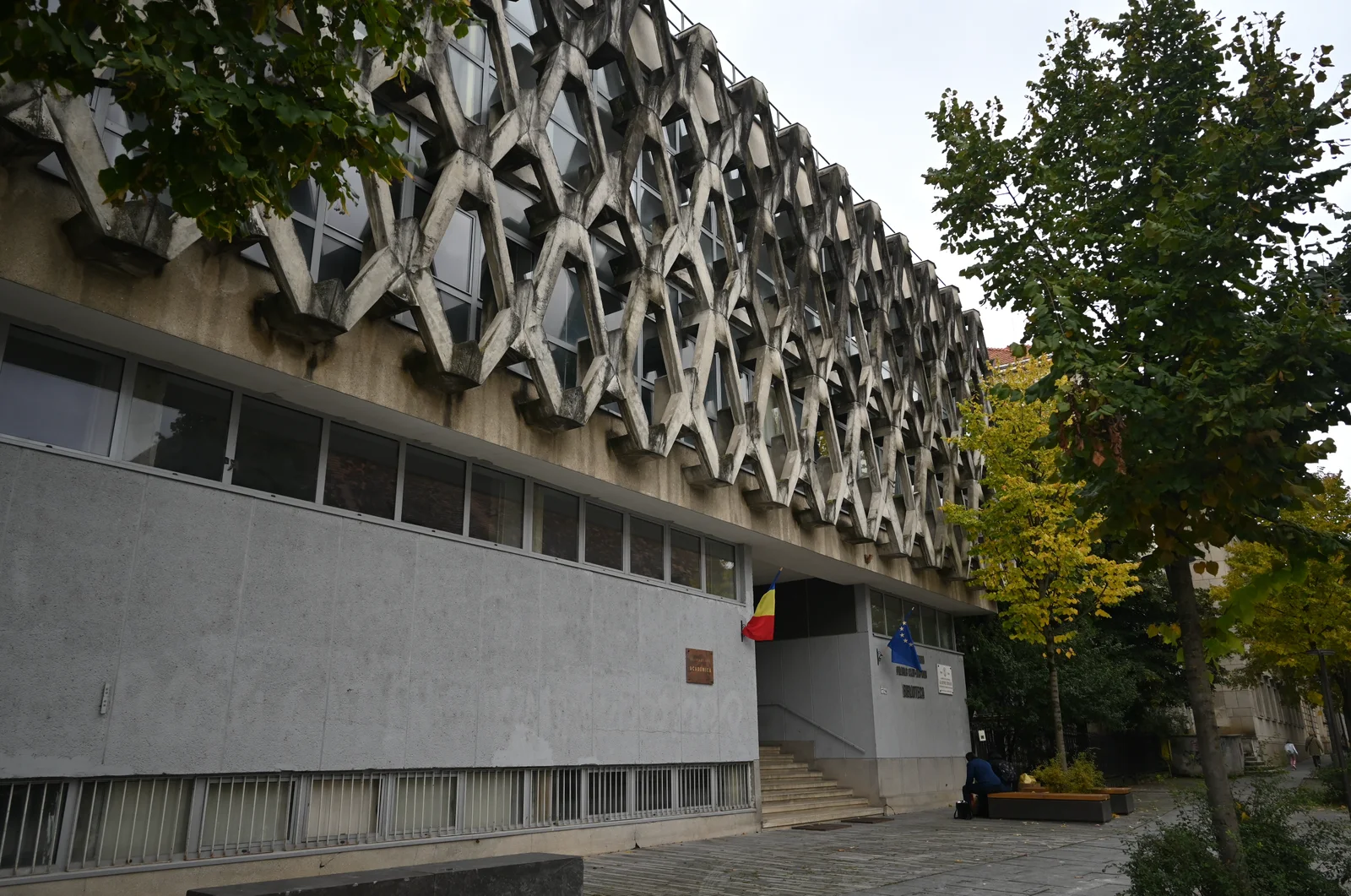
The Library of the Romanian Academy5
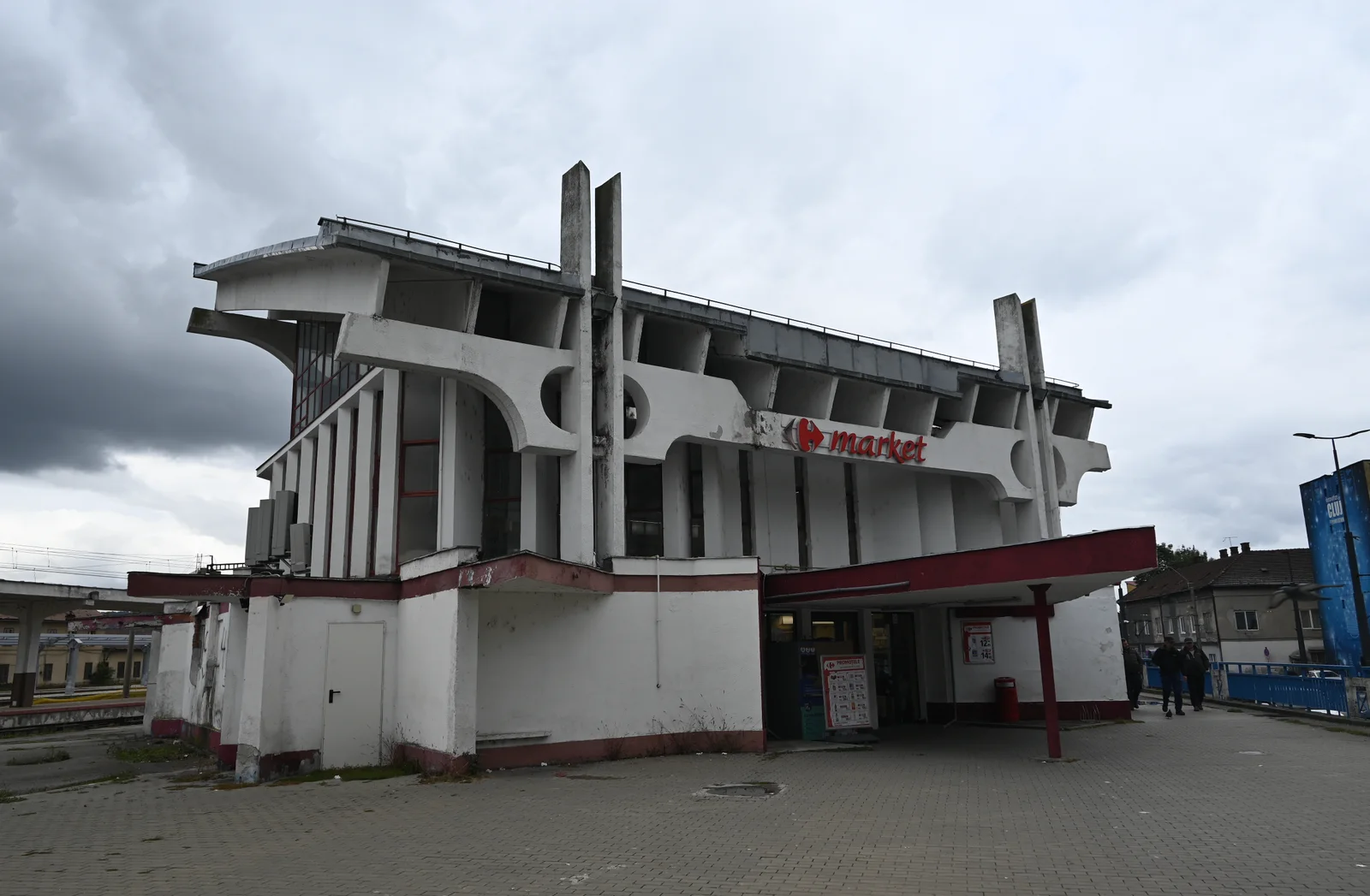
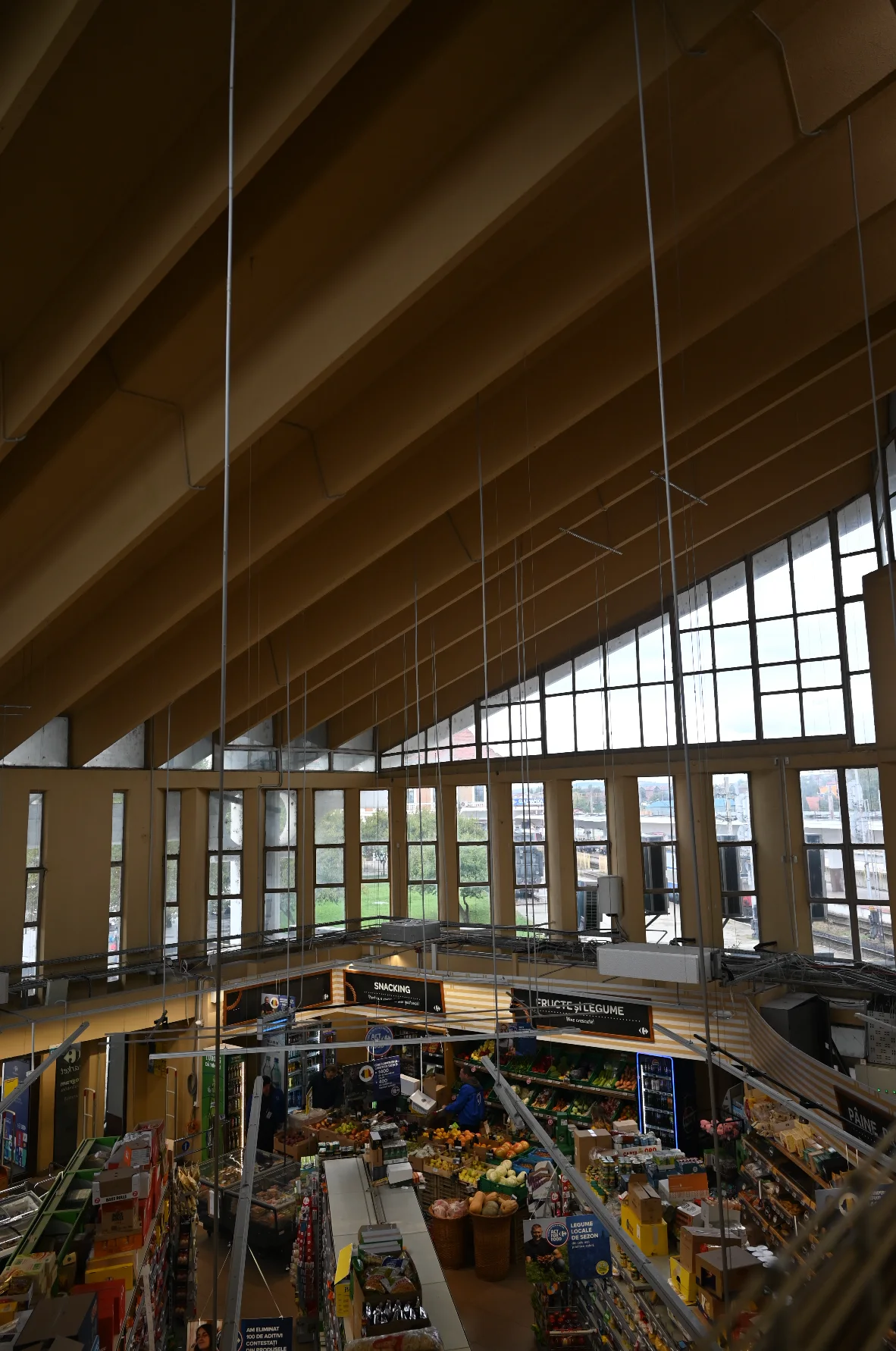
The Second “Local” Railway Station (Now a Carrefour) 6
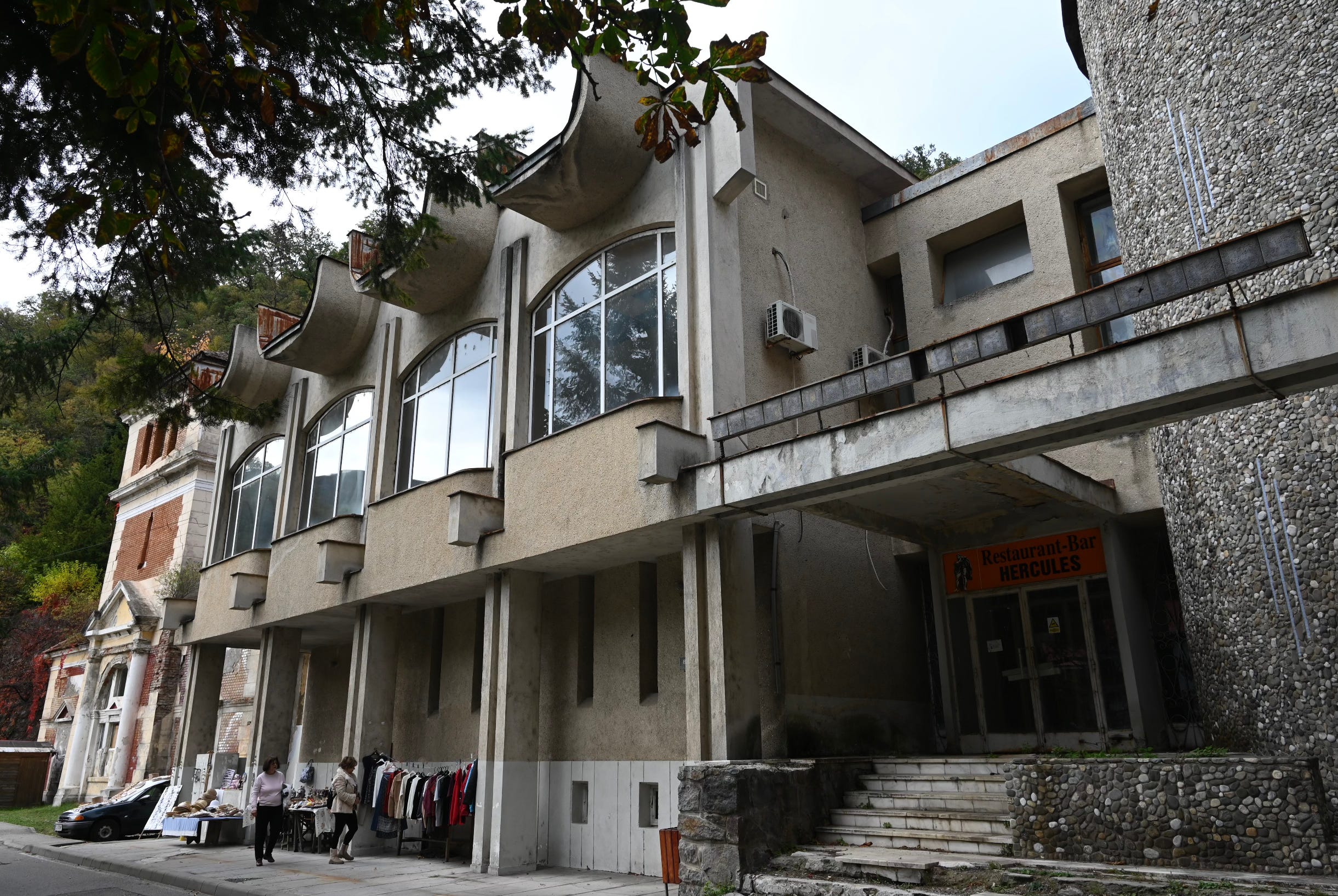
A Seemingly Abandoned Communist-Era Restaurant/Bar7
For the unaware: Pioneer of modernism, head of the architecture school at IIT after being the last director of the Bauhaus school, designed the campus in Chicago, etc
2Also for the unaware: Renowned Hungarian painter/artist, professor also from the Bauhaus school, founder of the (now IIT) Institute of Design
3Designed by Sulamita and Aurel Mureșan
4Designed by Hans Fackelmann, finished in 1976. Orșova Romania
5Designed by Eliza Fierlinger & Radu Spanu, finished in 1976. Cluj-Napoca Romania.
6Designed by “Institutul de Proiectari pentru Transporturi și Telecomunicatii”, finished in 1976. Cluj-Napoca Romania.
7I was unable to find more specific information on this structure and it does not appear to be in use. Băile Herculane, Romania.